Two weeks ago I was wondering round the streets of Whitechapel and Aldgate looking for a rather secret churchyard that I had passed by many times but never assumed I could get inside. Typically, the gate which is often open, was firmly locked on my visit so I couldn’t get in. However whilst determinedly trying every alleyway and doorway on 4 streets to ensure I had tried every single possible way in, I came across a ruin.
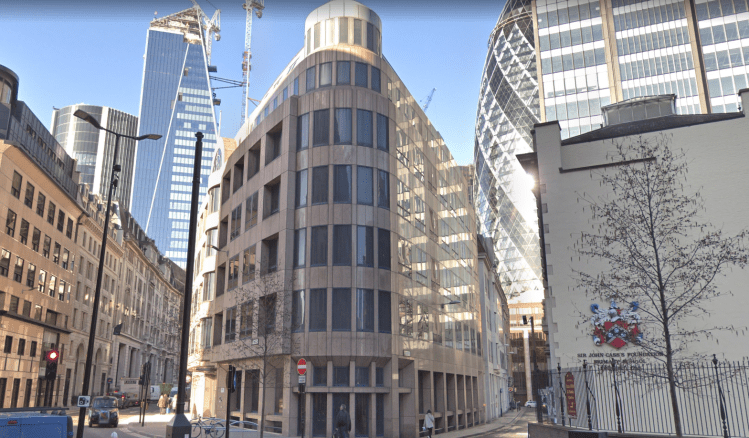
I’ve come across lots of ruins in my time and had actually seen a glimpse of this before, in a then derelict modern office block which I had assumed to be some old ruin but nothing particularly ancient, at least not my local standards.
Whilst on my search for he illusive churchyard, I noticed the lights on the building to be on and so having no doubt set off a number of alarms and motion sensors whilst trying to enter various neighbouring doorways I thought it couldn’t hurt to try and go inside. To my surprise the security guard was very friendly and let me in.
There are several ruins I’ve found within London buildings from the old Roman wall and colosseum to the medieval Clarkenwell to the newly open Temple of Mithras and Roman Basilica but they are still rare enough to raise an eyebrow or two.
To my surprise I had stumbled across a medieval Priory that though ruined 500 years ago, was now protected and encased within a 21st century office.
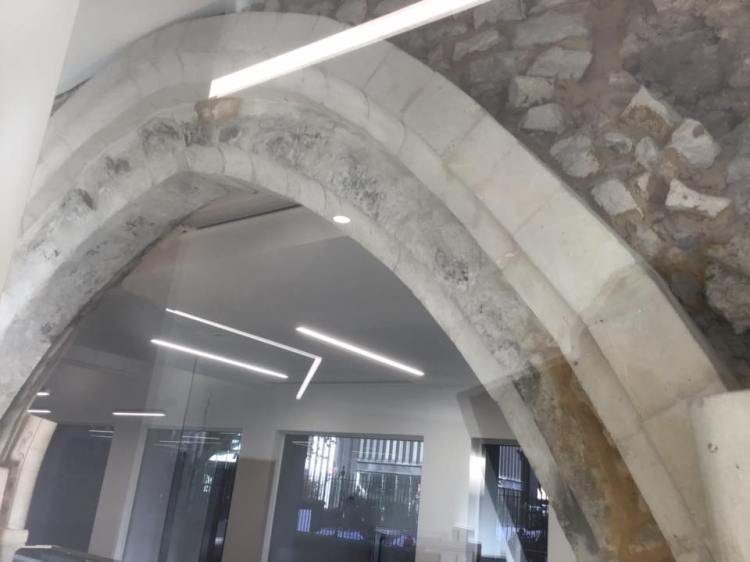
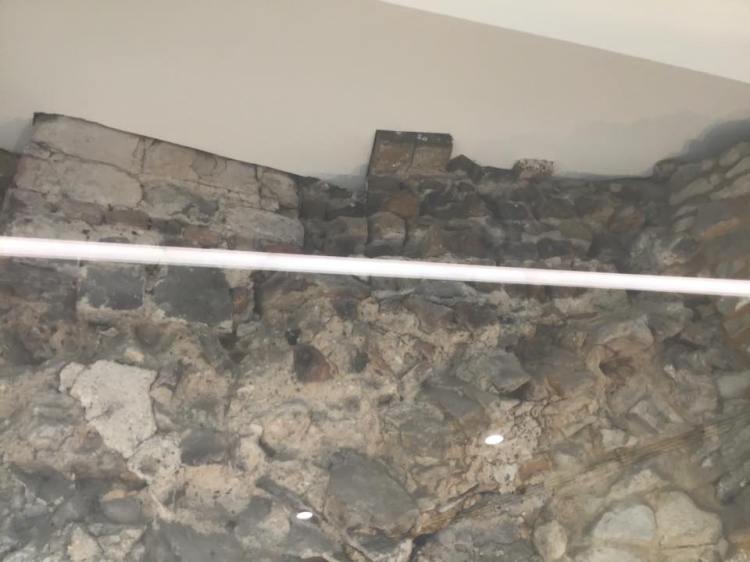
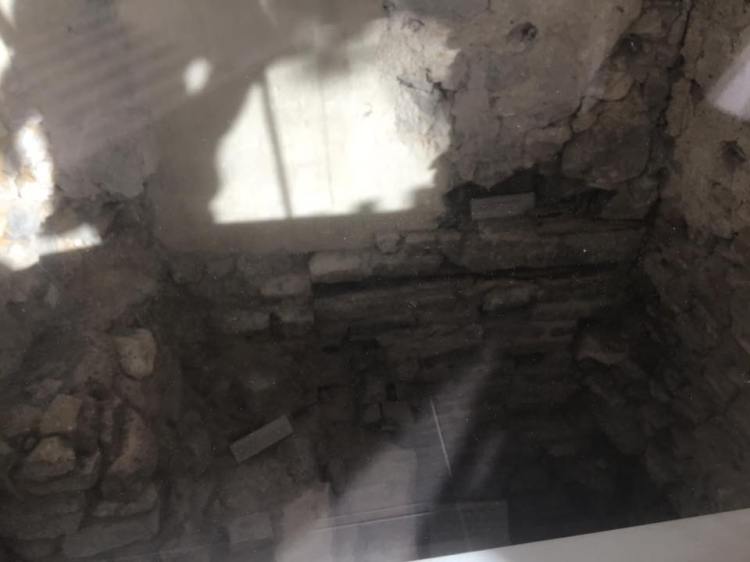
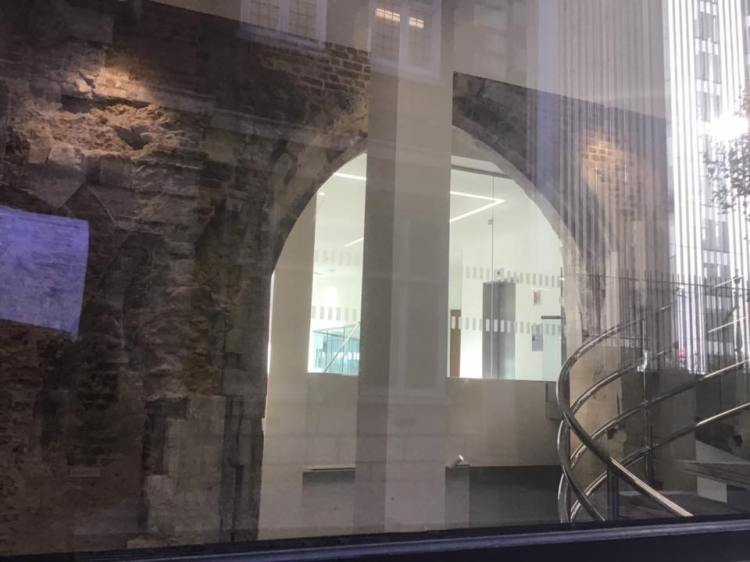
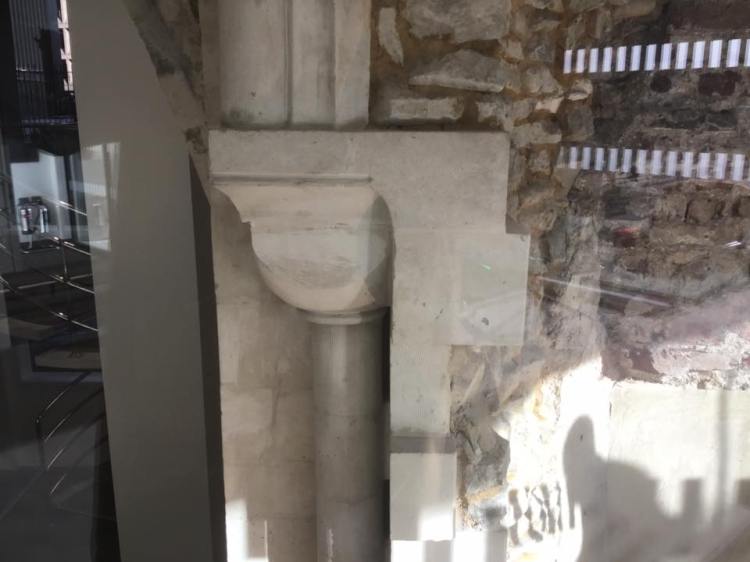
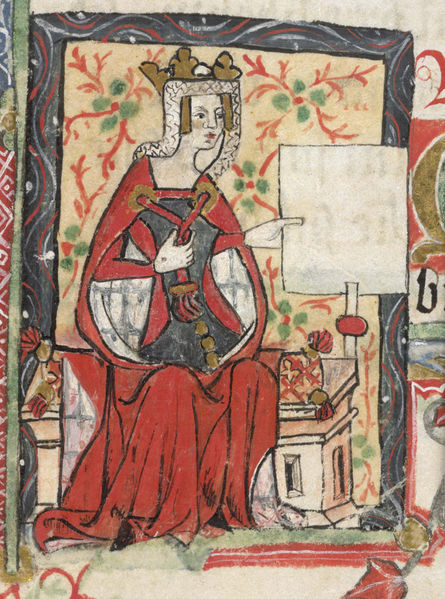
I was standing in the midst of Holy Trinity Priory, Aldgate. It was the first religious house to be established inside the walls (albeit only just) of London after the Norman Conquest. Created in at the behest of Empress Matilda in 1107–8; one of the earliest Augustinian houses to be established in England and the first to be dissolved.
I was ever so thrilled to get to see these ruins close up and felt something of a nincompoop for not putting all the clues together for the surrounding streets are full of them but I hadn’t presumed to put them all together, at least not in the correct fashion.
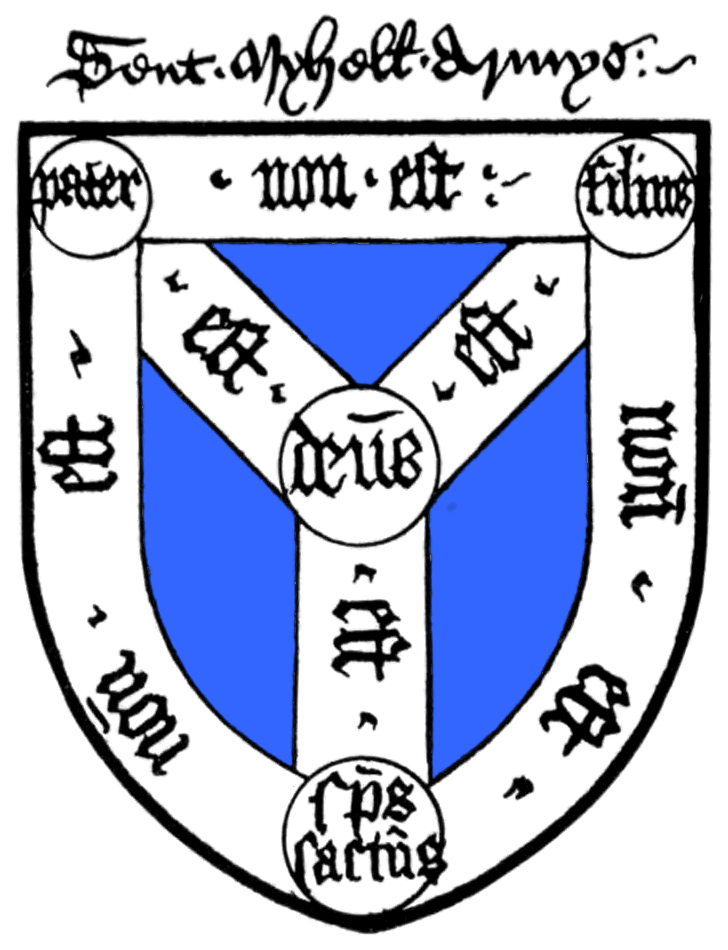
By 1200 the precinct north of Leadenhall Street and just inside Aldgate was filled with imposing stone buildings, including a large and architecturally impressive church which was the burial place of two of the children of King Stephen in the middle of the 12th century.
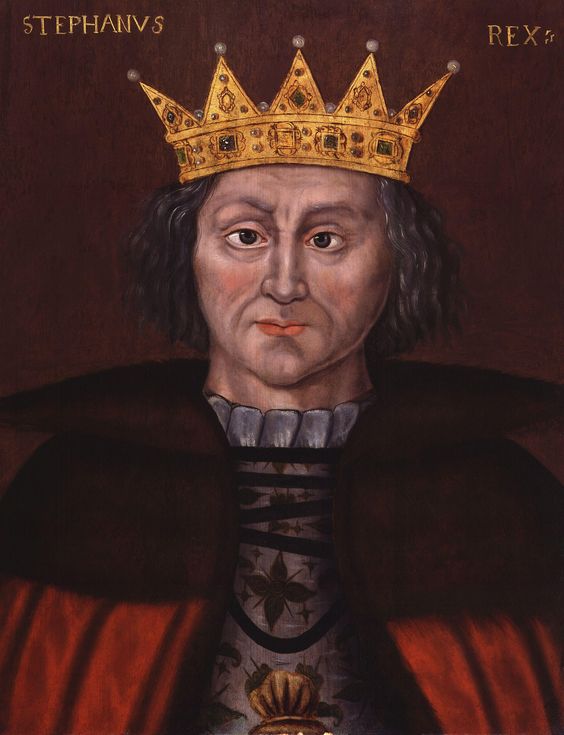
London’s first mayor, Henry FitzAilwin, was buried in the entrance to the chapter house. In the 16th century the monastery was owned by the Duke of Norfolk, second only to Queen Elizabeth in power, who was executed in 1572 for his part in plots surrounding Mary Queen of Scots.
The priory was dissolved in February 1532 when it was given back to King Henry VIII. The buildings and land associated with the priory were given, or sold, to prominent courtiers and City merchants.
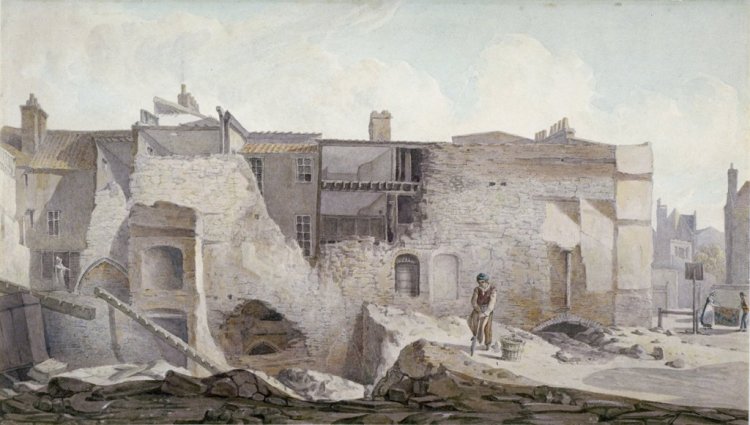
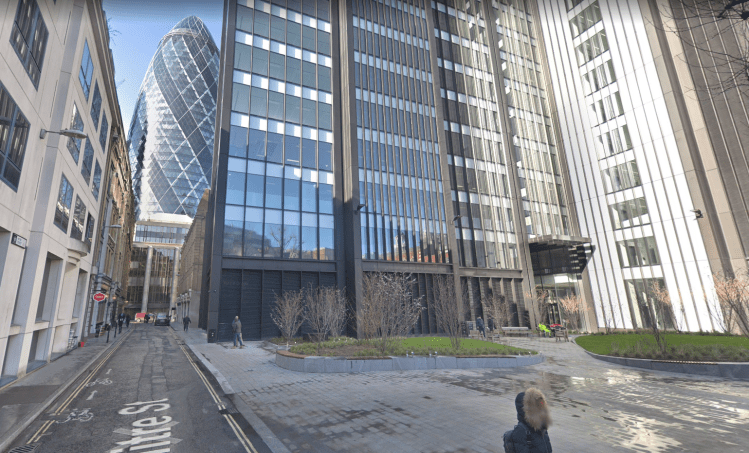
Mitre Street itself follows roughly the line of the nave of the priory church, while Mitre Square corresponds roughly to the former cloister and later came to prominence as a terrible murder location with Jack The Ripper.
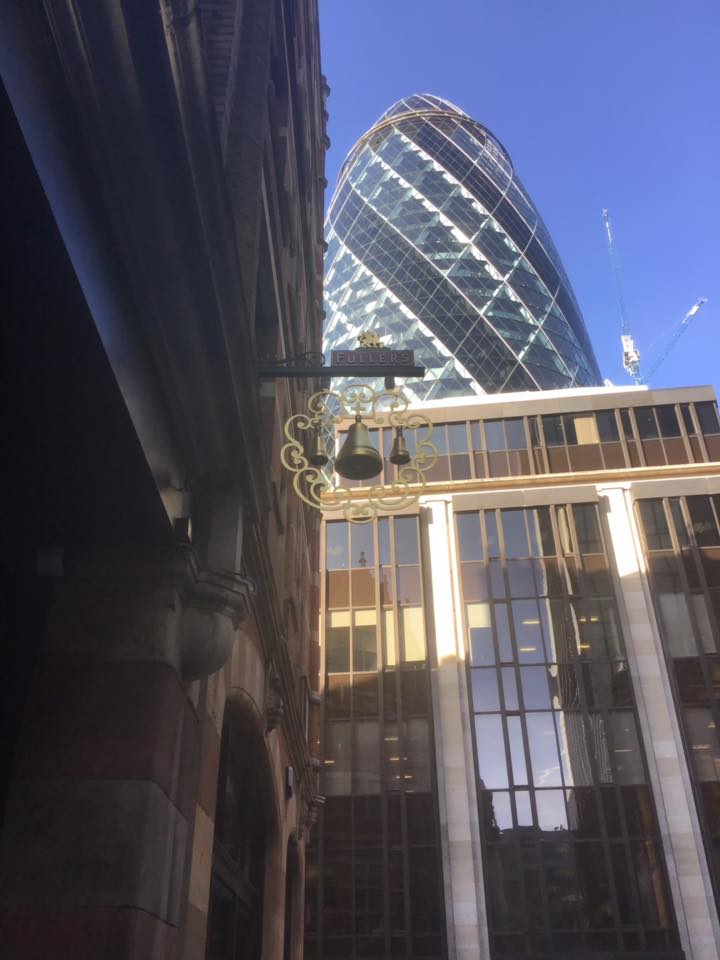
Even the pub at the far end of Mitre Square is called The Trinity Bell and you can see the bells on the sign below.
I hope you liked my latest piece of urban exploration. It’s amazing what you can discover right under your nose.


What an hallucinary interposing of history. Thank you for uncovering it and sharing it. London is more unrecognisable and more extraordinary by the day.
LikeLiked by 1 person
I’m glad you enjoyed it, it’s amazing that anything old still exists here, let alone so much ancient, a truly unique city.
LikeLike
A wonderful find – thank you for sharing it
LikeLiked by 1 person
I’m glad you enjoyed it. It was a lot of fun to discover it too.
LikeLike