There aren’t many things that connect WW1 Battle of Jutland to The Beatles and Pearl Harbor but if such things float your boat then this post is for you and it is all about a man called Frederick Rutland.
Rutland’s 300-page FBI dossier describes an almost James Bond type figure “Square jaw; well poised; highly intelligent; good personality; modest; gives appearance of affluence and breeding.”
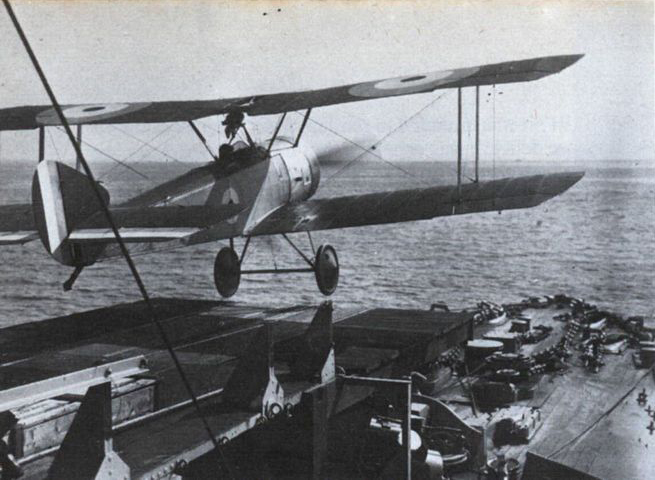
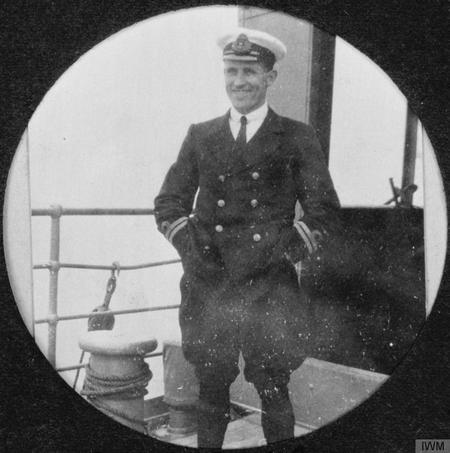
In fact, Frederick Rutland was a labourer’s son from Weymouth who joined the Royal Navy at 15 in 1901 and quickly rose through the ranks to become a flying ace, winning fame as the first pilot to launch a plane from a warship during battle to spot the German fleet.
Hailed as “Rutland of Jutland“, he won awards for rescuing a drowning comrade and for pioneering aircraft carrier flights.
However unknown to all he was having an adulterous and soon scandalous affair and when this came to light, his days as an officer and a gentleman were over, even though he married his mistress.
Frederick Rutland started a new life and found acceptance in Japan after moving there in 1923 to work on aircraft carriers with Mitsubishi, and was befriended by a Japanese admiral, a vice-admiral and the head of naval intelligence.
So he took the only job he could get, helping Mitsubishi develop military planes in Japan, and was recruited as a Japanese spy.
“Frederick Rutland was Tokyo’s most important agent in America,” says Ron Drabkin, author of the book ‘The Search For Agent Shinkawa’ ‑ Rutland’s spy codename.
“He saw himself as a James Bond figure,” says Drabkin. “He lived in a hilltop Hollywood home worth $11million today, had a butler, drove fast cars, partied with celebrities and appeared in the society columns. But it was all a front for his spying operation for the Japanese.”
He was perfect for them: an aviation pioneer, WWI hero, socialising with Vivien Leigh, Errol Flynn and Charlie Chaplin.
Frederick Rutland played a significant role in the evolution of Japan’s offensive capability that made the attack on Pearl Harbor possible.
The spy helped “facilitate Japan’s capacity to develop aircraft carriers, the technology that enabled Japan in 1941 to launch a ‘first strike’ attack in the US Pacific”.
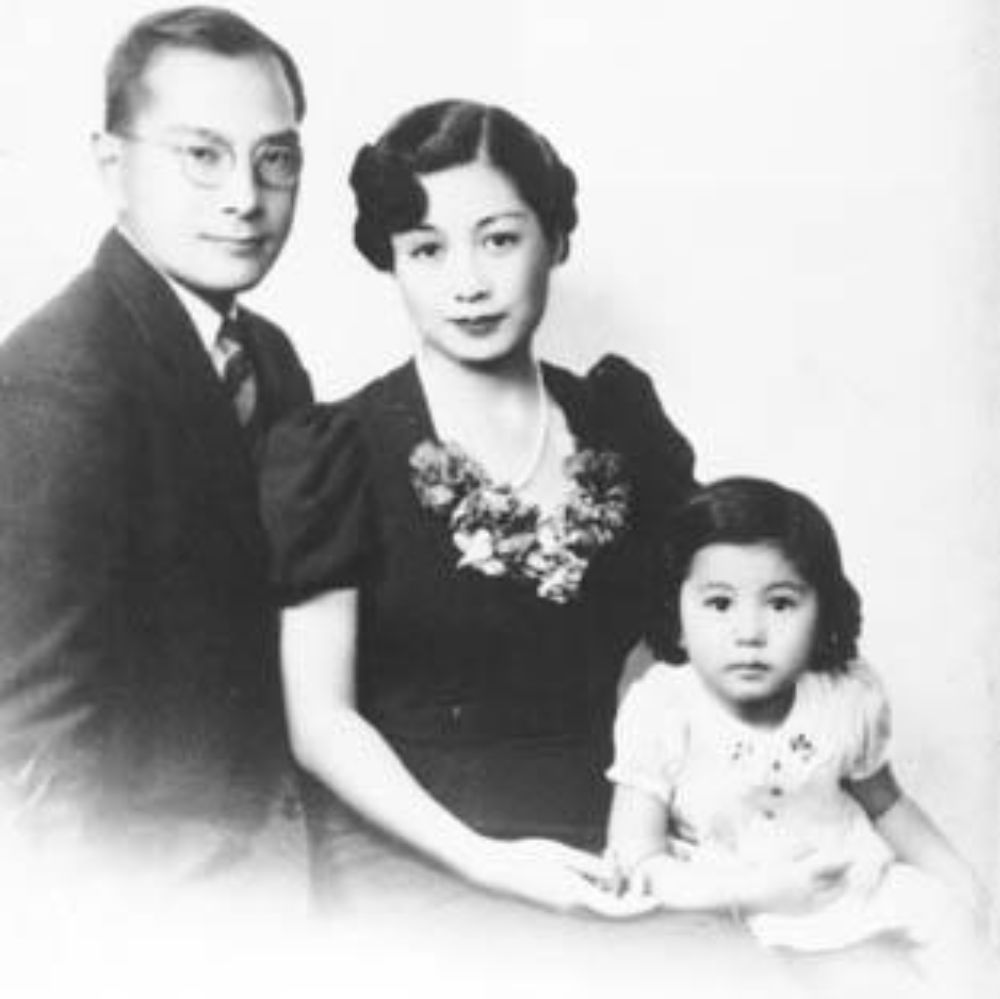
They paid him the equivalent of $600,000 a year ‑ ten times the salary of a Japanese Admiral. And his paymaster was Japanese Navy official Eisuke Ono, whose daughter Yoko later married John Lennon.
Rutland fed them details of US troop and fleet movements, military preparedness and warplane production. He placed a former IRA member as his spy in a Lockheed plant developing the new P-38 Lightning fighter plane, to obtain specs.
He liaised with Japanese agents in Mexico to send secret messages across America’s southern border, and fed information to the Japanese embassy in Mexico City.
Rutland lived the high life in Los Angeles, where US warplane production and the Pacific Fleet were based.
Posing as a stockbroker he bought a home in the Hollywood Hills above Sunset Strip, in a celebrity enclave more recently home to big names such as Leonardo DiCaprio and Jennifer Aniston.
He was perhaps the only stockbroker in Los Angeles who never seemed to trade any stocks. He sold aircraft, allowing him access to airfields and production plants. One of Rutland’s secret agents was Charlie Chaplin’s long-time butler, Toraichi Kono.
Rutland used his contacts within Hollywood’s British expat community to gain information from former officers. But his time was running out.
First, a drunken Japanese agent in London mislaid a briefcase containing documents that mentioned his activities, and British secret services began watching his every move.
Then, in 1939, the FBI were tipped off and began tapping Rutland’s phone. They also infiltrated the British United Services Club to investigate his spy network.
Soon the FBI were poised to arrest him, but US Naval Intelligence told them to hold off, claiming that the British traitor had become a double agent, feeding misinformation to the Japanese.
What is more likely is that Rutland felt the noose tightening and offered to become a double agent to save his own skin but after the arrest of a Japanese spy found with smoking gun paperwork incriminating Rutland, the FBI finally swooped.
Rather than risk an international incident, Rutland was persuaded by British diplomats to return to England in September 1941 to avoid an embarrassing trial. At the time, Britain was trying to persuade America to join the war.
While MI5 had ample evidence of Rutland’s spying against America, they had no proof he had spied against Britain and so he remained a free man.
However he persisted in pursuing military intelligence, meeting with Britain’s director of National Intelligence and the Ministry of Aircraft Production, before MI5 ordered him to stop.
The day after 353 Japanese planes bombed Pearl Harbor, killing 2,403 Americans and sinking 12 US Navy vessels, MI5 took Rutland into custody. He was held for two years in Brixton prison until December 1943, and spent the rest of the war under close surveillance, a broken man.
It’s been said that Rutland’s arrest deprived Japan of its key source of information in America, leaving them blind to US troop movements and military production.
Japanese intelligence officer Eizou Hori wrote in his memoirs: “You can argue this was a large reason for Japan’s loss of the war.”
The exposure of Rutland’s spying network led to the internment of 120,000 Japanese nationals in America throughout the Second World War: an ignominious injustice that decades later prompted presidential apologies and reparations.
His reputation in tatters and totally disgraced, penniless Frederick Rutland turned on the gas stove in a small hotel in the Welsh village of Beddgelert and lay down to die. It was a tragic end to a life that had blazed with excitement and intrigue.

 Stephen Liddell