The Middlesex Hospital started life in the 1740’s and set up base in two terraced houses that were leased from the local landowner, Mr Goodge who is now remembered forever by the nearby tube station Goodge Street.
The houses were soon later converted to accommodate 15 beds. The Middlesex was founded as a charity for the ‘sick and lame of Soho’ but included the slums of Seven Dials around St Giles-in-the-Fields in its care. For six centuries, London only had two hospitals: St Bartholomew’s and St Thomas’. In 1719, the Westminster was founded, followed in succession by Guy’s, St George’s, The London and in August 1745, The Middlesex, so called because this part of London was part of the county of Middlesex.
Before the chapel was built, the Middlesex Hospital had little non-clinical or non-administrative space. Wood-panelled boardrooms hosted chaplaincy services, but there was no space specifically designed with peace, quiet and reflection in mind. Initial funds were raised through donations, and architect John Loughborough Pearson was engaged by the hospital board to design the small building in the heart of the hospital complex. Pearson had been awarded RIBA’s Gold Medal in 1880, and his designs included St Augustine’s Church in Kilburn, Truro Cathedral, Westminster Hall, Bristol Cathedral, and additions to St Margaret’s Church in the grounds of Westminster Abbey.
Construction began on the chapel’s red brick exterior in 1891, when Pearson was already nearing the end of his life. His son and apprentice, Frank, took over after his father’s death, writing to the board of hospital governors to tell them of his father’s death, and his own wish to complete the project. The finished chapel is a combination of both their designs, and reflects the influences of Gothic European architecture in the work of both men. The first service in the chapel was held on Christmas Day 1891, with an official opening ceremony by the Bishop of London taking place in June 1892.
The chapel took more than 25 years to complete. It includes 17 types of marble used in its finished design. In its early life, it housed candlesticks, effigies, pews and altar cloths — all purchases which were made possible through fundraising by the medical community.
The chapel hosted regular services throughout the week, led by the Middlesex’s resident chaplain. Sermons were broadcast throughout the wards over hospital radio so that those too sick to visit could be a part of the chapel’s activity. On two occasions, the BBC broadcasted from the chapel as part of a series of national hospital radio shows.
The chapel served as a place of solace, reflection and rest for staff and patients and their families. It was always open between services, and groups of different faiths (and none) from within the hospital gathered in the tiny building throughout the working week. Marriages between medical staff, or between very ill patients and their partners, took place here, as well as concerts, memorials, seasonable celebrations and choir rehearsals.
Many present-day visitors have spent time here before, whether as a medical professional, family member or patient and the memories they share contain moving descriptions of chapel life in the past. Doctors or nurses visiting to find quiet after a difficult shift; porters sitting quietly in the candlelight reflecting on a day’s work; mothers taking their first trip out of the ward with their new-borns; or families and friends returning to the chapel time after time while caring for their loved ones. This tiny chapel provided a space for the population of the Middlesex Hospital to attend to their interior lives — their needs, hopes, griefs and celebrations were routinely observed beneath its starry ceiling.
After centuries of healthcare, wholesale reforms with the creation of the NHS after WW2, healthcare on the site was wound down towards the end of the twentieth century and the whole site was demolished.
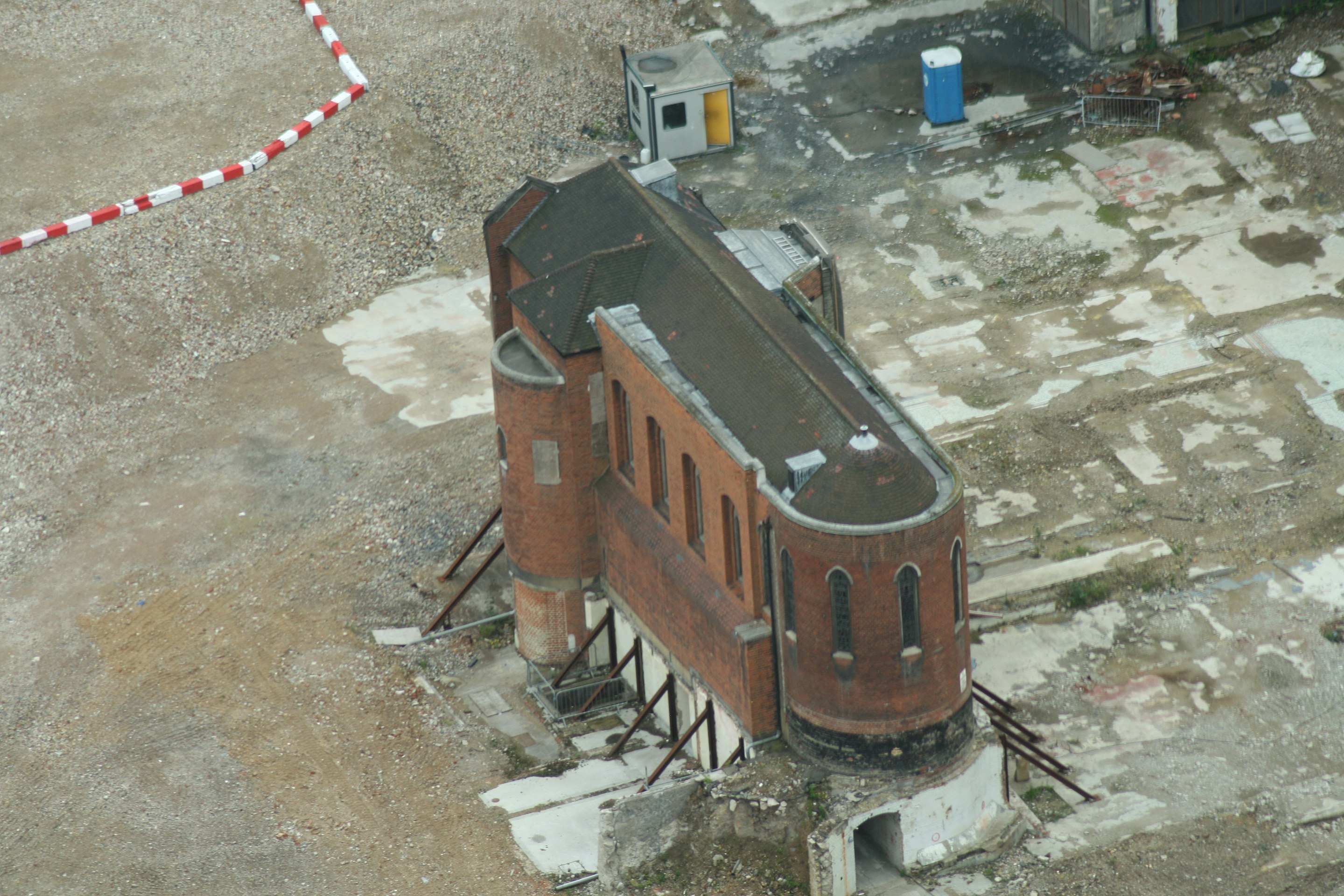
Well the whole site apart from the wonderful old chapel which I have wanted to visit for a decade or more but it’s been impossible due to demolition and re-construction efforts that of course were compounded by Covid.
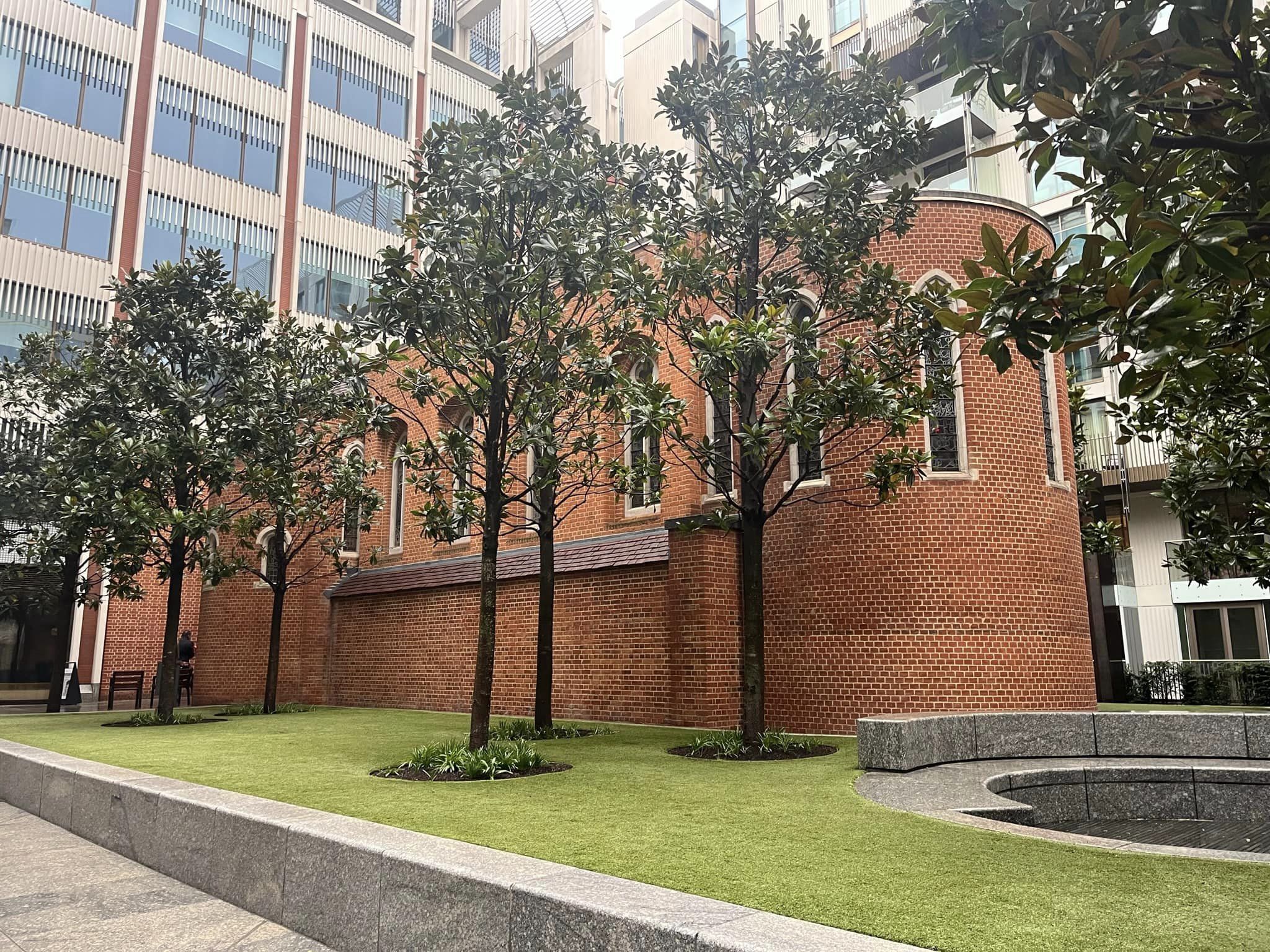
Now surrounded by fancy new though in my opinion rather soulless developments even by the standard of the day, the Fitzrovia Chapel is back and now set to also be host to a number of artistic and cultural events.
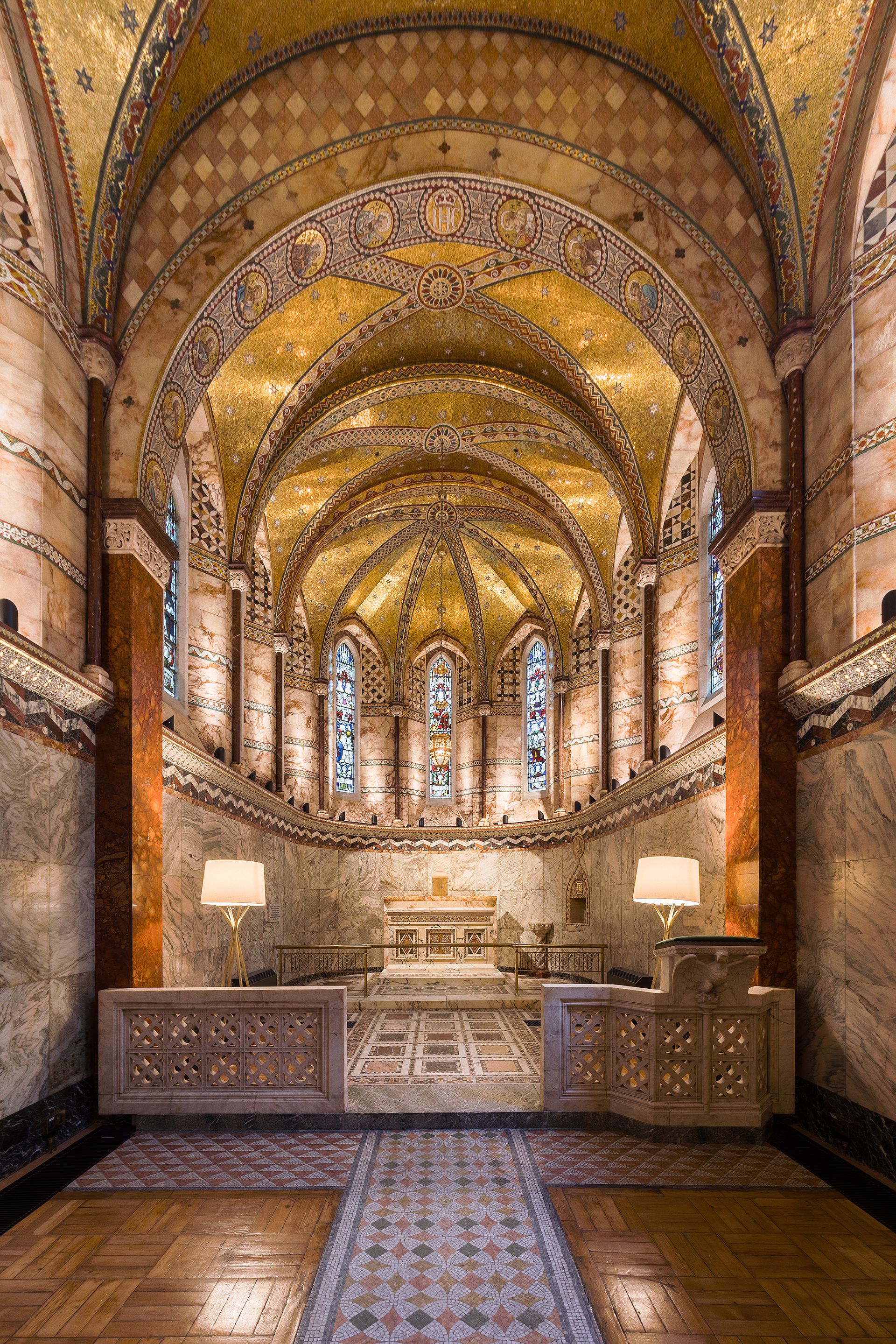
As you can see it has been beautifully and lovingly restored.
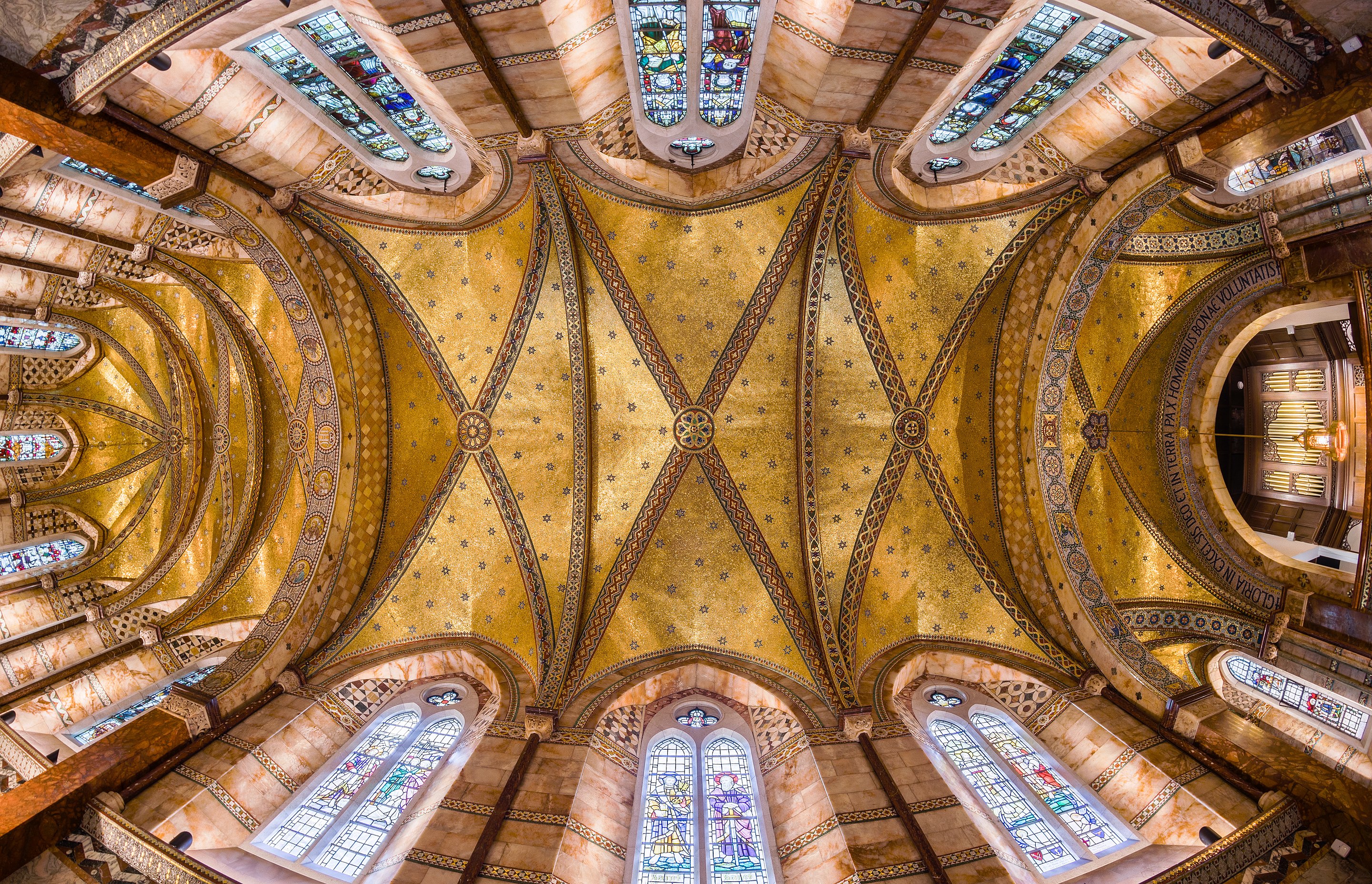
As I had so long wanted to visit I decided to attend the very first exhibition last Sunday on Mothers Days. More about that on thursday.

 Stephen Liddell
It is fabulous!
LikeLiked by 1 person
It really is!
LikeLike
Thank you for writing this. I have done a bit of research myself into the Cleveland Workhouse, which became an annexe of Middlesex Hospital, and its connections to Charles Dickens for a talk I do on Dickens and the Victorian Poor. Wonderful to hear a bit more about this chapel that served the hospital.
LikeLiked by 1 person
I’m so glad you enjoyed it. The history of Middlesex Hospital is quite complex isn’t it in how various institutions merged in the decades before the NHS. My thursday post has a little bit more about the chapel. BTW I just followed your blog as it looks my cup of tea 🙂
LikeLiked by 1 person