For people who live in the U.K. St Mary’s Lighthouse is one that lots of people know if they don’t realise it due to its rugged though photogenic location, it is often featured on photos depicting spectacular sunrises and stormy seas.
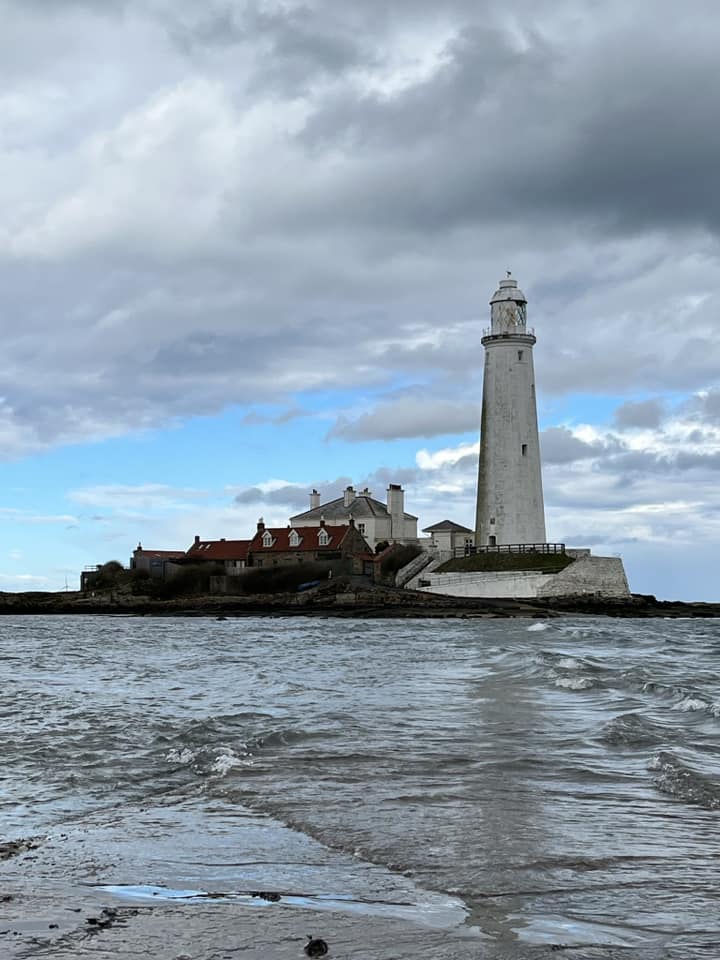
The rocky, tidal sandstone outcrop 2½ miles north of Whitley Bay, known as St Mary’s or Bates Island, was named after Thomas Bates who, in the 16th century, owned part of the land in his capacity as land surveyor for Northumberland under Queen Elizabeth I.
Originally the island was joined to the mainland, but coastal erosion eventually turned it into an island at high tide, and prior to the construction of a causeway in 1929, low-tide access to the island was by stepping stones.
The island has a dark and varied history and there are indications that it was used by the monks of Tynemouth Priory during the 7th century – and was thought to have been home to hermits prior to the construction of a chapel dedicated to St Helen in the late 11th century.
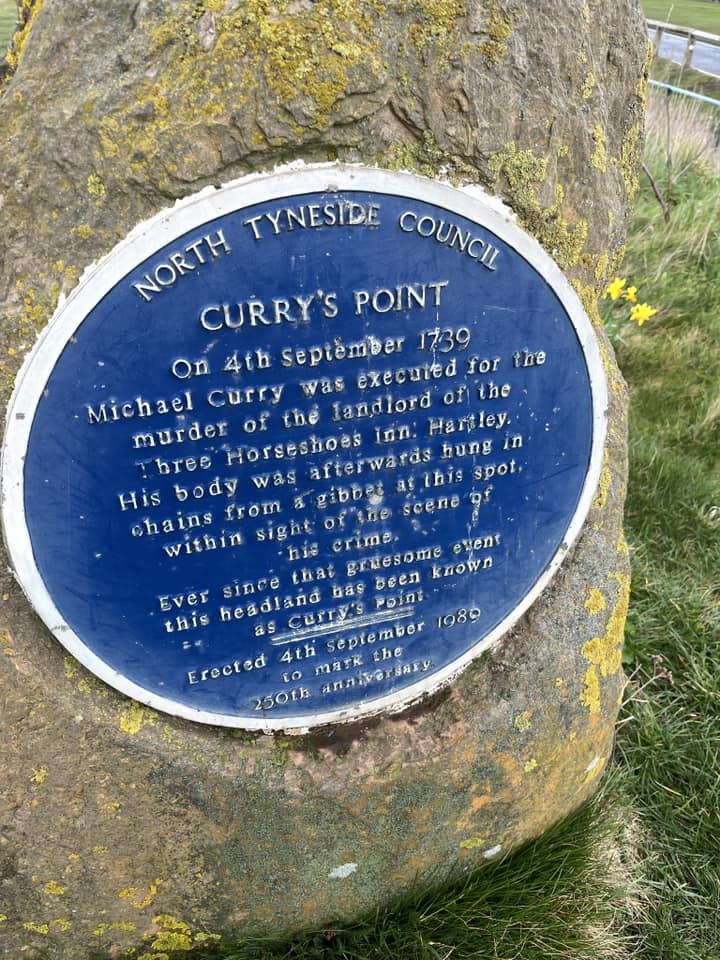
In 1739, following a domestic argument, Michael Curry, a local glassworker at nearby Seaton Sluice, was found guilty of the murder of Robert Shevil, landlord of the Three Horse Shoes Inn at Old Hartley.
Curry was later hanged for his crime in Newcastle, and as was customary in those days, his body was displayed on a gibbet on the mainland opposite Bates Island within sight of his crime to become better known as ‘Curry’s Point’. A blue plaque now marks this spot.
In February 1858, John Ewen, a salmon fisherman from Aberdeen, took out a 12-year lease on the island with the right to build a hut to store his salmon nets and, soon afterwards, he moved his family there and set up as the first resident.
Although the island has been home to a light for around 1,000 years, it was not until 1896 that work commenced on the present lighthouse.
The 126-foot lighthouse was constructed of almost three quarters of a million bricks covered with cement render and has a 137-step spiral staircase leading to the service room at the top. A metal ladder stair with brass handrails to either side gives access up to the lantern room. Building costs totalled £8,000. The light was ignited for the first time on August 31, 1898.
Power for the initial lighting method was by paraffin vapour, the fuel being delivered every six months and held in storage tanks beneath the tower. It was eventually converted to electric light in 1977.
The large rotating lens gave 2 flashes of one second duration each, separated by an eclipse of 2 seconds and was visible for 17 nautical miles.
I’ve written about a few lighthouses in my time but it’s hard to beat The tragedy of Smalls Lighthouse

 Stephen Liddell
Ah, another glimpse of home. A lovely place, and Tynemouth just up the way. Funny thing, for years I was truly convinced that St Marys was the lighthouse from Fraggle Rock. I spent lots of childhood afternoons Fraggle hunting and rock pooling. Light houses are fascinating- in fact and in Fraggle loving fiction!
LikeLiked by 1 person
I used to like Fraggle Rock, it was more my thing than the Muppets!
LikeLike
A fascinating and gruesome history – I love it! 🙂
LikeLiked by 1 person
Thankyou, I like gruesome history too!
LikeLiked by 1 person
Thomas Bates… was this the Master Bates from the Captain Pugwash cartoons ? . OONCLE Rarebash.
LikeLiked by 1 person