Whilst I was out and about on my mammoth walk to take photos and visit spots relating to my new book, I came across a newly planted area of the Queen Elizabeth Olympic Park, London Blossom Garden – a living memorial to commemorate the city’s shared experience of the Coronavirus pandemic.
The garden offers a place of reflection for Londoners to remember those who have lost their lives, and pays tribute to London’s brave key workers who risked their own lives to help others and keep our city moving.
Local communities have helped to shape the design of the garden and it has been created for everyone to find solace in and enjoy: a place for everyone to visit, stop and reflect, and a peaceful haven where wildlife can thrive.
I must say I have only been to the Olympic Park once, a fleeting visit to watch New York Yankees V Boston Red Sox – Going to my first Baseball game in London. The whole area has been transformed this century. In fact transformation doesn’t even come close to how one of the largest run down areas in Europe has changed. The magnificence of the Olympic setting is perhaps the centrepiece and anywhere else would be a huge deal but as amazing it is, it’s a tiny fraction of how this one derelict and vast part of London has been transformed.
Of course much of it is new high spreed trains, skyscrapers, immense shopping areas but me being me, those are all the sort of places that I tend to avoid. I like peace and quiet and not many people and even less noise which can be tough in London and Stratford is the epitome of modern commerce and consumerism.
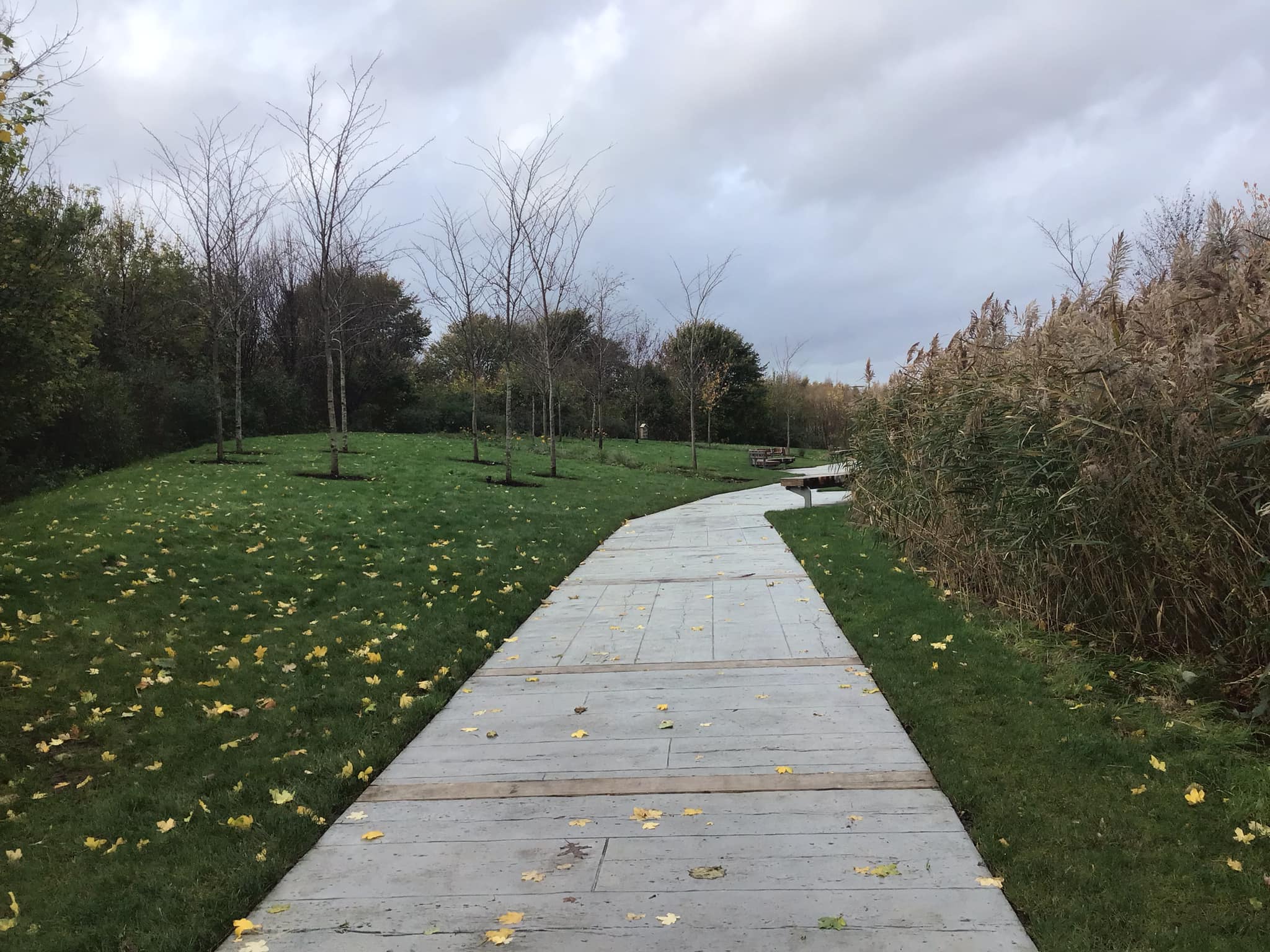
Fortunately for me as with other large developments in the 21st Century, some thought has been given to nature, wildlife and the great outdoors and the Olympic Park has some huge open green places. I actually found it almost overbearing. I’m not used to see such open spaces combined with modern environs. It all seemed a bit Scandinavian or Canadian to me, not that I have ever been to either.
Which is why I kind of liked the Blossom garden. It’s small, relatable and enclosed. Planted in the north of the Park, the garden has 33 blossom trees, each representing a London borough, including the City of London. The trees are arranged in three close circles made up of eight different species of tree. Every spring the garden will come alive with hawthorn, cherry, cherry plum, and crab apple blossom, creating a stunning scene of colourful blossoms against a backdrop of the vibrant green surrounding parklands.
The rich grassy lawns and vast planting beds provide spaces for wildlife to thrive, and as they mature, the trees will provide shade and shelter for both humans and wildlife alike.
The path contains 33 pieces of recycled concrete and reclaimed timber to echo the number of trees. Seating near each tree ring provides a space for you to sit and reflect in the natural surroundings.
The garden has also been designed to support nature as well as visitors. It has large beds of perennial planting and species-rich grassland, a vital part of Queen Elizabeth Olympic Park’s ecology. This will help create habits for wildlife all year round.
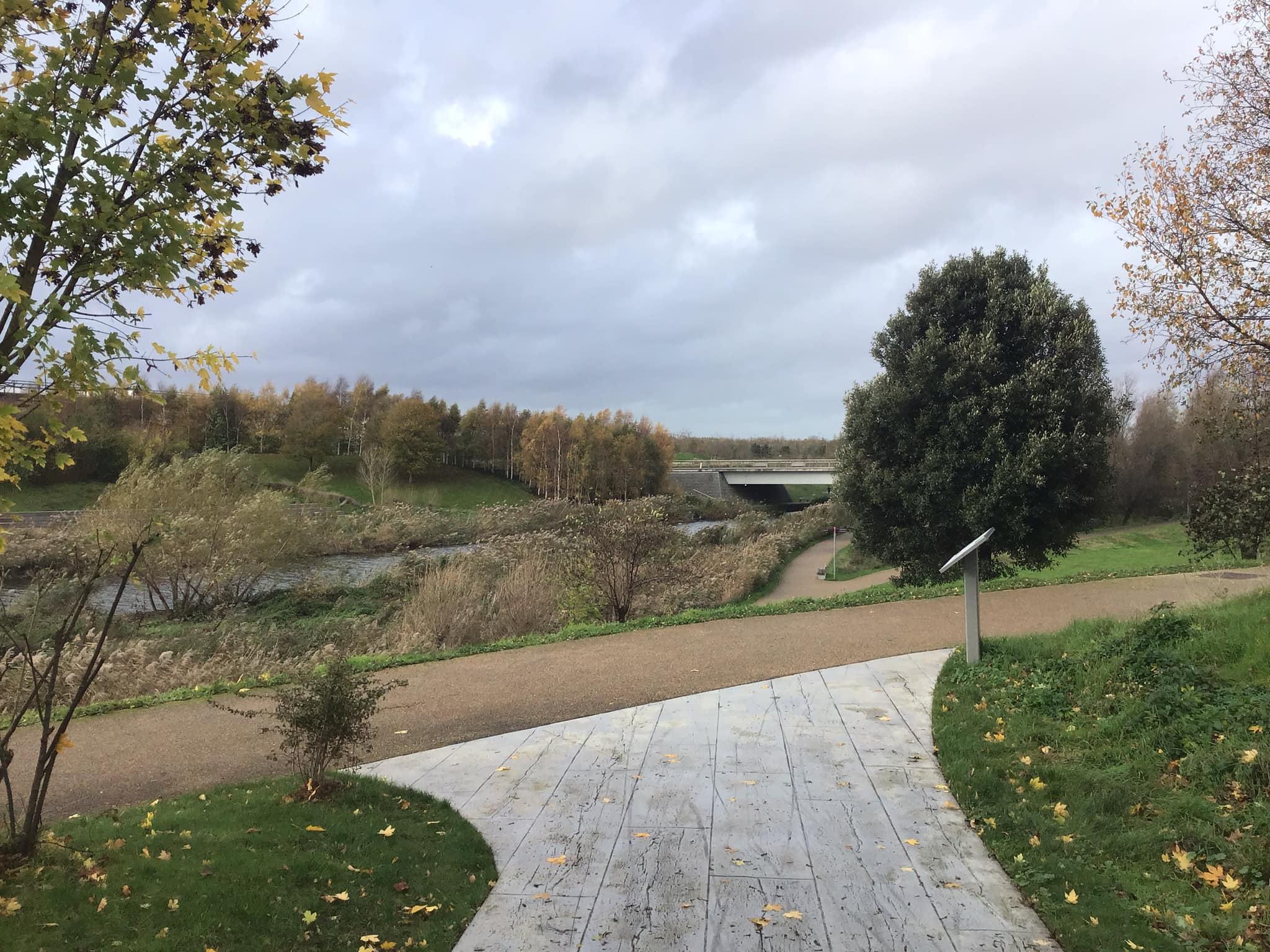
Pollinator-friendly species have been chosen to support bees and insects. Flowers, like echinacea, will provide a home for local species, including the rare Amara bifrons beetle, found in the south of the park.
The different varieties of trees will blossom at different times to extend the blossom season in the spring. These blossoms will provide food for pollinating insects, and their fruit and berries will sustain migrating birds, such as fieldfare and redwing, which arrive at the park each autumn after long journeys from Scandinavia and other colder countries.
The timber used in the project is all reclaimed from the UK’s only FSC certified reclaimed tropical timber supplier. We have traced the origin of the wood to London sites including Duke Shore Wharf, Woolwich Ferry Terminal and even reclaimed fenders from an old canal lock in Queen Elizabeth Olympic Park. The timber’s lifespan will be much longer than other new types of FSC hardwood, meaning less impact on the planet’s natural resources.
Everything is green or recycled, the seating has been fabricated by local artists in workshops close to the park, meaning transit and transportation has been kept to an absolute minimum, as well as the project supporting the local economy.
All perennials plants have been grown peat-free via a specialist contractor for the project, and all trees have been grown in the UK.
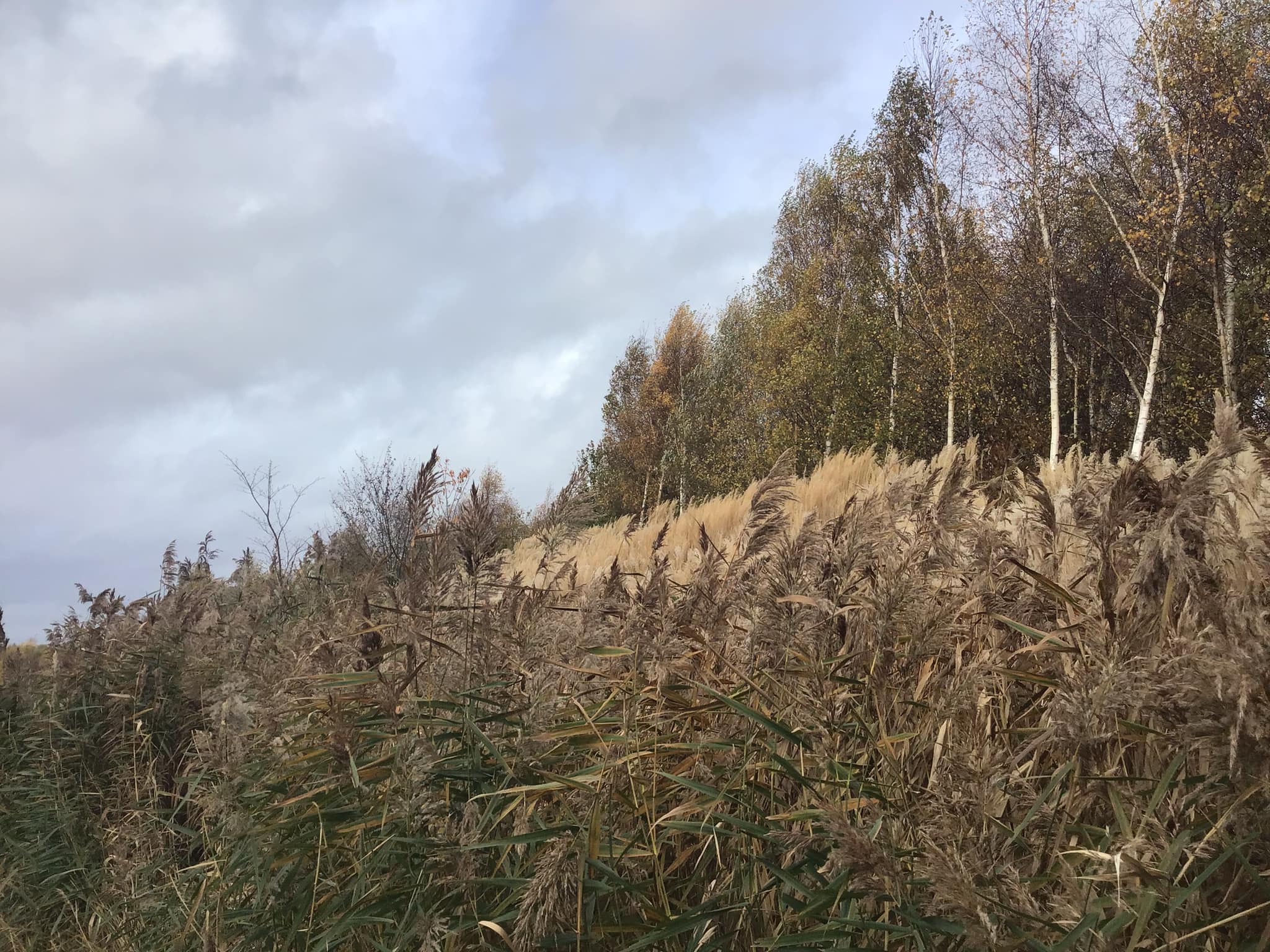
The garden’s design supports sustainable drainage principles. There is a sunken channel, known as a swale, running alongside the path which slowly reintroduces rainwater into the soil, known as infiltration, easing the impact of surface water flooding after heavy rainfall.
Visiting in the closing days of November is probably not the best time to experience the spring garden. The weather wasn’t freezing but not far off and having walked miles and miles by memory off the top it was nice to spend a few minutes here. I can only imagine what a lovely little haven this is in warmer months.
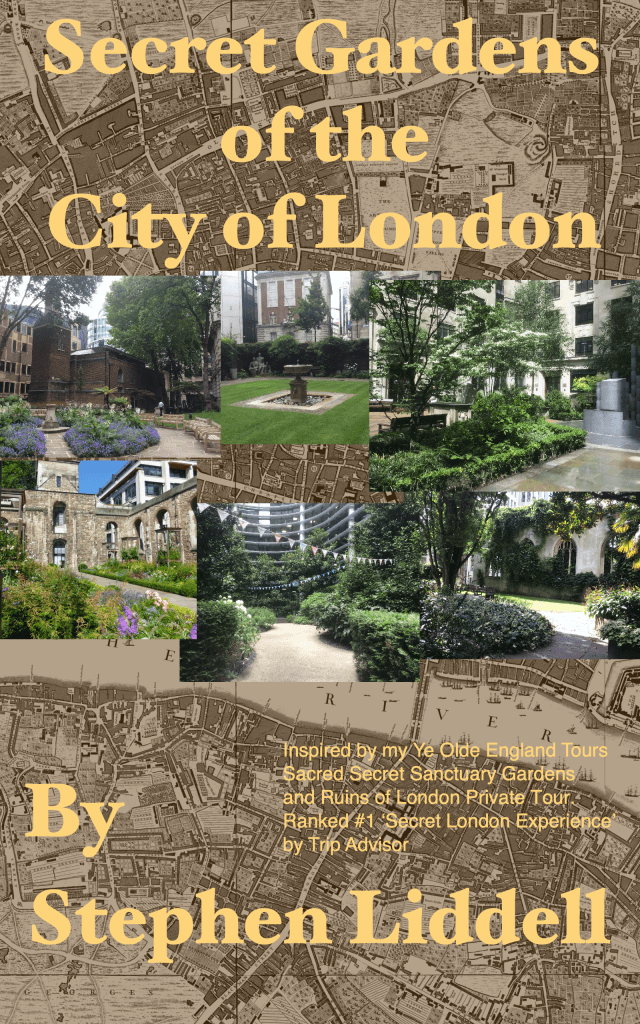
If you’re looking for a neat little Christmas present which would incidentally add about £1.74 to the pocket of your kind hearted blogger AND you like historic and secret gardens and parks then you might like my book above which you can find in Paperback, Kindle, Apple iBooks and various other formats. Based on Londons #1 authentic travel experience and featured in the Independent newspaper.

 Stephen Liddell