It says a lot about Winchester that even after visiting so many places, we still have so much more to see. In fact we didn’t see everything worthwhile in Winchester so knowing time was against us, we decided to see something all together different. An old castle which was indeed at one time a palace.
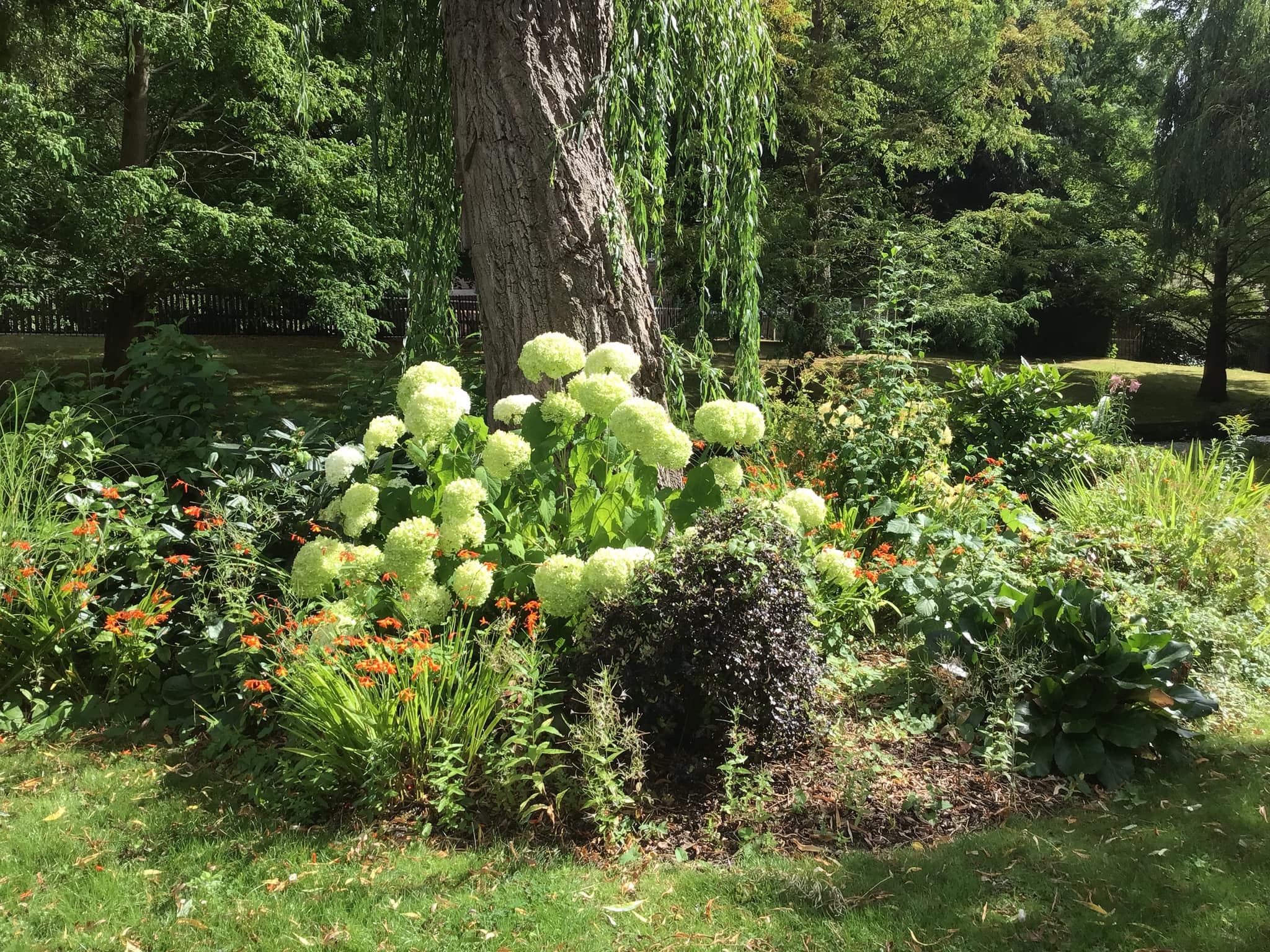
Visiting the castle had the bonus of allowing us to retread in the footsteps of Thomas Hardy, John Keats, and Jane Austen and walk along the river past some Roman ruins and incredible houses before reaching a delightful riverside garden through which the path meandered towards the castle.
Throughout the medieval period the bishops of Winchester held one of the highest positions of power in the English church, as well as in national politics. They owned vast estates stretching from Somerset to London, which brought them great wealth.
The Bishop of Winchester once lived as part of the community of monks who served the cathedral church. By the 10th century, however, the increasingly public role of the bishop meant that an enclosed monastery life was impractical.
Aethelwold I (963–84) was the first bishop to live separately from the cathedral. Little is known about his residence, which lay north of the present palace, but it probably included a hall, residential accommodation and a chapel.
In about 1110 Bishop William Giffard (1107–29) built the stone west hall, which is today largely buried beneath the baroque palace. However, the ruins of the northern end have survived.
Raised up on the first floor to give the building an imposing appearance, these rooms served as the bishop’s private chambers, but were also frequently occupied by royal guests.
The surviving ruins of Wolvesey were largely the creation of one man, Bishop Henry of Blois (1129–71), who built a palace befitting his immense wealth and powerful position. Appointed abbot of Glastonbury in 1126, Henry succeeded William Giffard as bishop of Winchester three years later. When his brother Stephen became king in 1135, he took on the role of the king’s chief adviser, and in 1139 became papal legate, the pope’s representative in England.
Until his death 42 years later, Henry was continually adding new buildings at Wolvesey, starting with another hall block (the ‘east hall’).
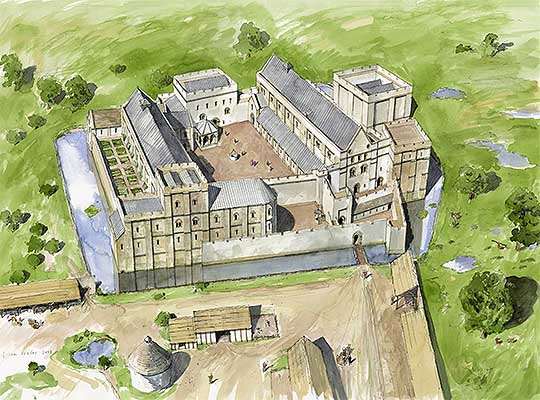
Although subsequent bishops carried out various repairs and alterations to the buildings, Henry’s palace survived virtually intact for the next 500 years. It is his work that comprises most of the ruins visible today.
During the civil war of King Stephen’s reign, when both Stephen and the Empress Matilda claimed the English throne, Bishop Henry was naturally at the heart of events.
In 1141, King Stephen was captured by Matilda’s forces. Henry deserted his brother, welcoming the empress to Winchester and preparing to consecrate her as queen. He was soon alienated by her attitude, however, and returned to his brother’s cause.
With the help of Stephen’s other supporters, Henry laid siege to Winchester, with Matilda trapped inside. Accounts of the siege are confusing, but Wolvesey certainly played its part. At the height of the fighting, Bishop Henry’s defenders rained down fire on the town, destroying part of the city. The empress was defeated and Stephen was restored to the throne.
Possibly because of his insecure position in the years following the siege, Bishop Henry fortified his palace, erecting two large towers. This may have been an attempt to restore his reputation as a leading figure of authority, giving his palace the appearance of a strong castle.
Wolvesey was just one of many grand houses and castles owned by the bishops of Winchester across their diocese, which covered Hampshire, Surrey and the Isle of Wight. The bishops were constantly on the move, travelling between their estates and attending the royal court – many of them were important royal officials.
Their wealth came from vast landholdings, one of the richest estates of medieval England. The yearly income and expenditure on the estates was recorded in great detail in the pipe rolls, an astonishing surviving series of documents covering the years from 1208–9 until 1710–11.
Each year the estate manors totalled up their accounts, and sent the profit in cash directly to the treasury at Wolvesey. In the year 1301–2 this profit totalled £5,188, over £2 million in today’s money. Income was generated from land rents, sales of produce, and fees imposed at the manor courts.
Wolvesey continued in declining use as an episcopal house until the 1680s, when it was abandoned in favour of a new palace built next to the medieval site by Bishop George Morley (1662–84).
By the mid-18th century the bishops preferred to use Farnham Castle in Surrey as their main residence and Wolvesey was neglected. Although the baroque palace was largely demolished in 1786, the west wing survived, and remains the current bishop’s residence.
We see the current bishop’s residence today behind the trees as we edge past the cricket ground that sits within the castle walls as we reach the ruins themselves.
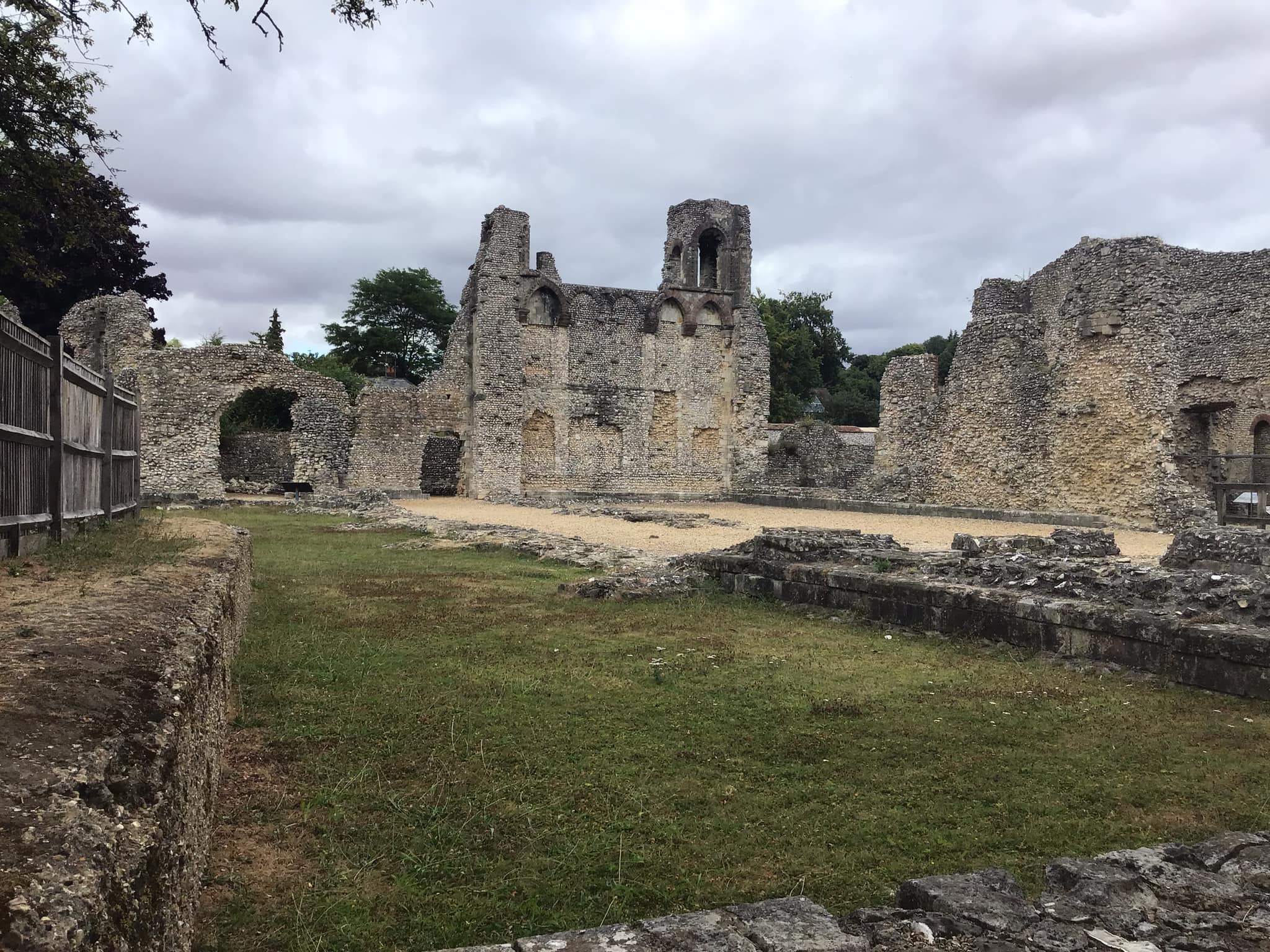
It’s incredible how in the middle of the school summer holidays it can be so easy to find such a place to ourselves and yet it so often happens if you know where to luck. Despite the overcast skies, we were well and truly in that dreaded endless summer heatwave so sat at this exact spot above for a good 20 minutes admiring the various features and buildings within the ruin whilst summoning the energy to get back up and explore further.
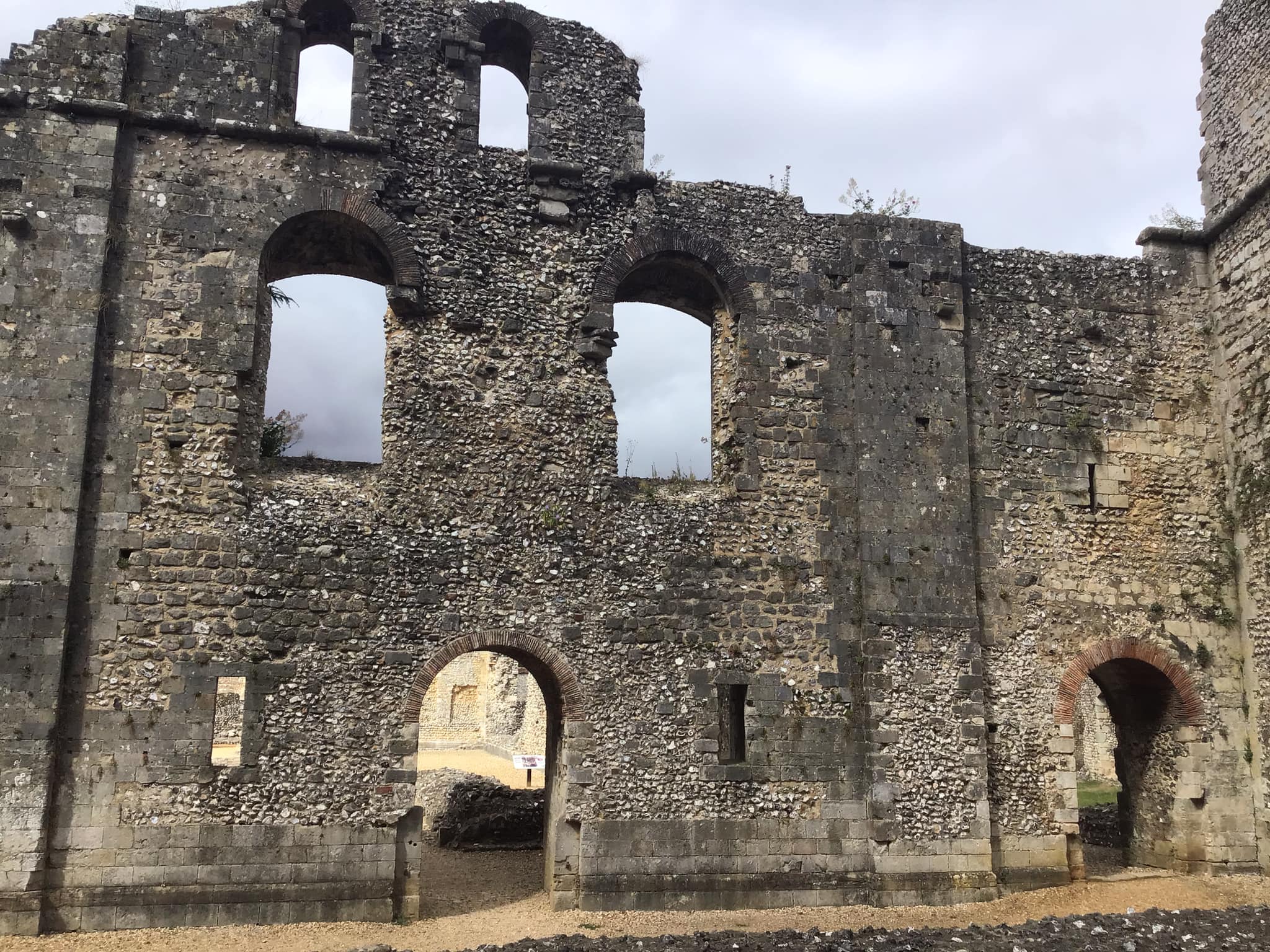
The ruins here are some of the best medieval ruins in this part of the country and well worth an explore, doubly so seeing as they are relatively unvisited and yet just 10 minutes walk from Winchester High Street.
As you may have seen on some of my earlier posts on Winchester, I am now offering day trips by train from London to all the big sights in Winchester. Winchester Tour from London by First Class Train.

 Stephen Liddell
For sightseeing, nothing more delightful than castle and fort ruins 🙂
LikeLiked by 1 person
I very much agree!
LikeLike