Walking around the City of London as I do almost every day when I’m following in the footsteps of Romans, Vikings and various disasters as well as hunting out Secret Gardens, it’s hard to avoid some of the great halls in the Square Mile that belong to livery companies.

There are 110 livery companies, comprising London’s ancient and modern trade associations and guilds, almost all of which are styled the ‘Worshipful Company of…’ their respective craft, trade or profession.]These livery companies play a significant part in the life of the City of London (i.e. the financial district and historic heart of the capital), not least by providing charitable-giving and networking opportunities. Liverymen retain voting rights for the senior civic offices, such as the Lord Mayor, Sheriffs and Corporation which in effect go back to 1066 if not before when basically William The Conqueror realised that London was all ready the richest city in the World and he didn’t want to ruin a winning formula. So long as the City acknowledged the King as the ruler of the kingdom, then he wouldn’t interfere… a tradition that lives on today and which I’ve written on before in years gone by.
The term livery originated in the specific form of dress worn by retainers of a nobleman and then by extension to special dress to denote status of belonging to a trade. Livery companies evolved from London’s medieval guilds, becoming corporations under Royal Charter responsible for training in their respective trades, as well as for the regulation of aspects such as wage control, labour conditions and industry standards.
As mentioned on the City of London website, some guilds can trace their origins back to the 12th century, with the earliest charter still in existence being granted to the Weavers’ Company in 1155. Those working in the same craft lived and work near each other, grouping together to regulate competition within their trade and maintain high standards. The early London guilds benefited their members and customers alike, controlling the manufacture and selling of most goods and services in the Square Mile. It helped ensure that London was a centre of excellence and people could depend upon the quality of the products and services so even then it wasn’t one of those places that people often avoid buying from in case the product is made badly or falls apart soon after you’ve bought it.
As the guilds became more established, many set up their headquarters in large houses or Halls. As well as a meeting place, these became the venue for settling trade or domestic disputes. London street-names today still bear witness to areas where individual trades gathered and flourished.
When some guilds introduced their own distinctive clothing and regalia – or livery – to distinguish their members from those in other guilds, they soon became known as livery companies. The peak period for the formation of guilds was the 14th century when many received charters or ordinances. In 1515 there were 48 companies and the Lord Mayor established an order of precedence for them, finally ending many years of dispute.
After the 17th century, the livery companies suffered a series of setbacks. With their powers and practices restricted to the Square Mile, most were unable to compete with cheaper traders springing up outside its boundaries, while costly wars and political intrigues saw first Tudor and then Stuart monarchs levying hefty charges on the companies. The Industrial Revolution only added to their problems – yet stimulated the changes that were to save them.
Today, there are more than 100 liveries, and though trading conditions changed, since their inception, their work is as pertinent as it always has been. Different in size, structure and interests they share the same ethos: supporting trade, education, charity and fellowship, working in the best interests of the communities in which they operate. The charitable dimension of their work now amounts to over £40m each year.
As well as broadening their horizons to include new skills, the livery companies became prominent supporters of industry through research funds, excellence awards, sponsorships and other carefully targeted trade support.
From their earliest days, the companies emphasised the importance of good training. From the 1870s, this role was extended to include many forms of technical and other education, simultaneously supporting new industries and training young people to work in them. Founded in 1878, the City & Guilds Institute was a notable outcome, still prominent in vocational education today and actively supported by the livery companies.
The early guilds were duty-bound to care for their members in sickness and old age. Many of today’s companies still support almshouses throughout the country and maintain their other historical charities, while also broadening their charitable giving into many other areas of modern life, at home and abroad.
Livery companies within the Square Mile cover a wide range of occupations as you can see from the list below, even Information Technology so it isn’t all candle makers and skinners.
All livery companies come under an element of control by the City of London’s Court of Aldermen. To become a new company, a group of people (usually numbering at least 100) must satisfy the Court that they have the resources and willingness to continue their association indefinitely, having already been long and well established. In addition to strong ties with the Square Mile, the potential new Company must have a significant number of members engaged in its particular trade, profession or craft, which must not overlap or clash with that of an existing guild.
Liverymen still play a pivotal role in the election of the Lord Mayor.
In 1385, a regulation was introduced requiring each Lord Mayor to have previously served as a Sheriff and, until 1742, to be a member of one of the 12 senior livery companies (the Great Twelve). Today, each Lord Mayor will still belong to one of the City livery companies, and be supported by their fellow liverymen in Common Hall at the end of September each year.
The Lord Mayor will also be an Alderman (literally, elder man), whose Court oversees the creation and conduct of the livery companies. Aldermen are elected by the Square Mile’s 25 Wards. The City’s franchise gives voting rights to a wide representation of organisations within the Square Mile enabling nominees or representatives of livery companies occupying premises there to be voters.
The livery companies also play a prominent role in many great occasions. Each year’s United Guilds’ Service in St Paul’s sees the livery companies, City of London and church joining together for a great ceremonial event, while the Lord Mayor’s Show features spectacular displays by many livery companies, particularly those with close links to the new Lord Mayor and the two Sheriffs.
The livery companies and the City of London have enjoyed a long, close and extremely effective working partnership, sharing objectives, supporting excellence and together promoting the Square Mile. This partnership is fostered through a dedicated committee, the Livery Committee, which strengthens these ties, as well as constantly seeking new ways to enhance joint initiatives for the future.
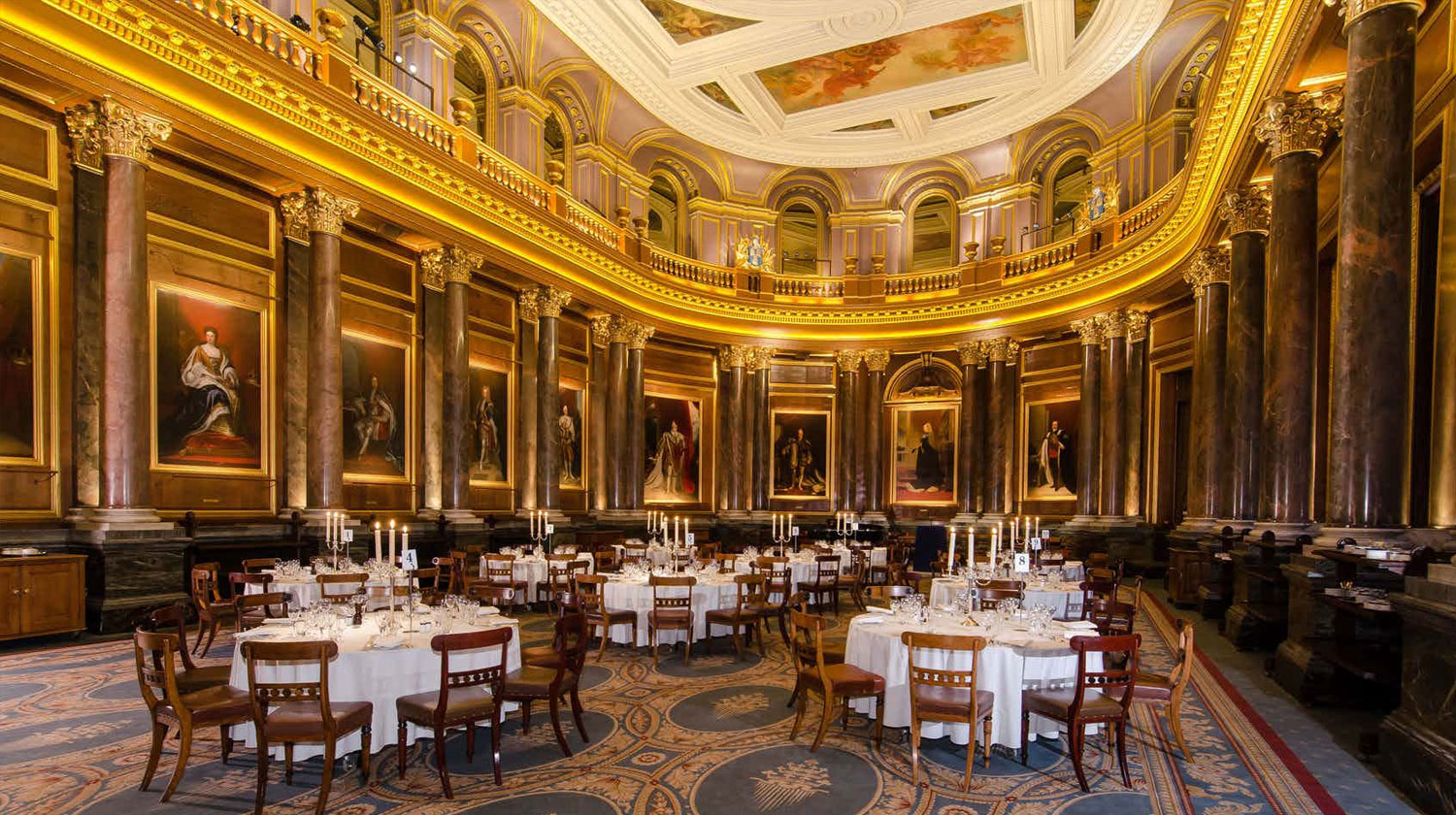
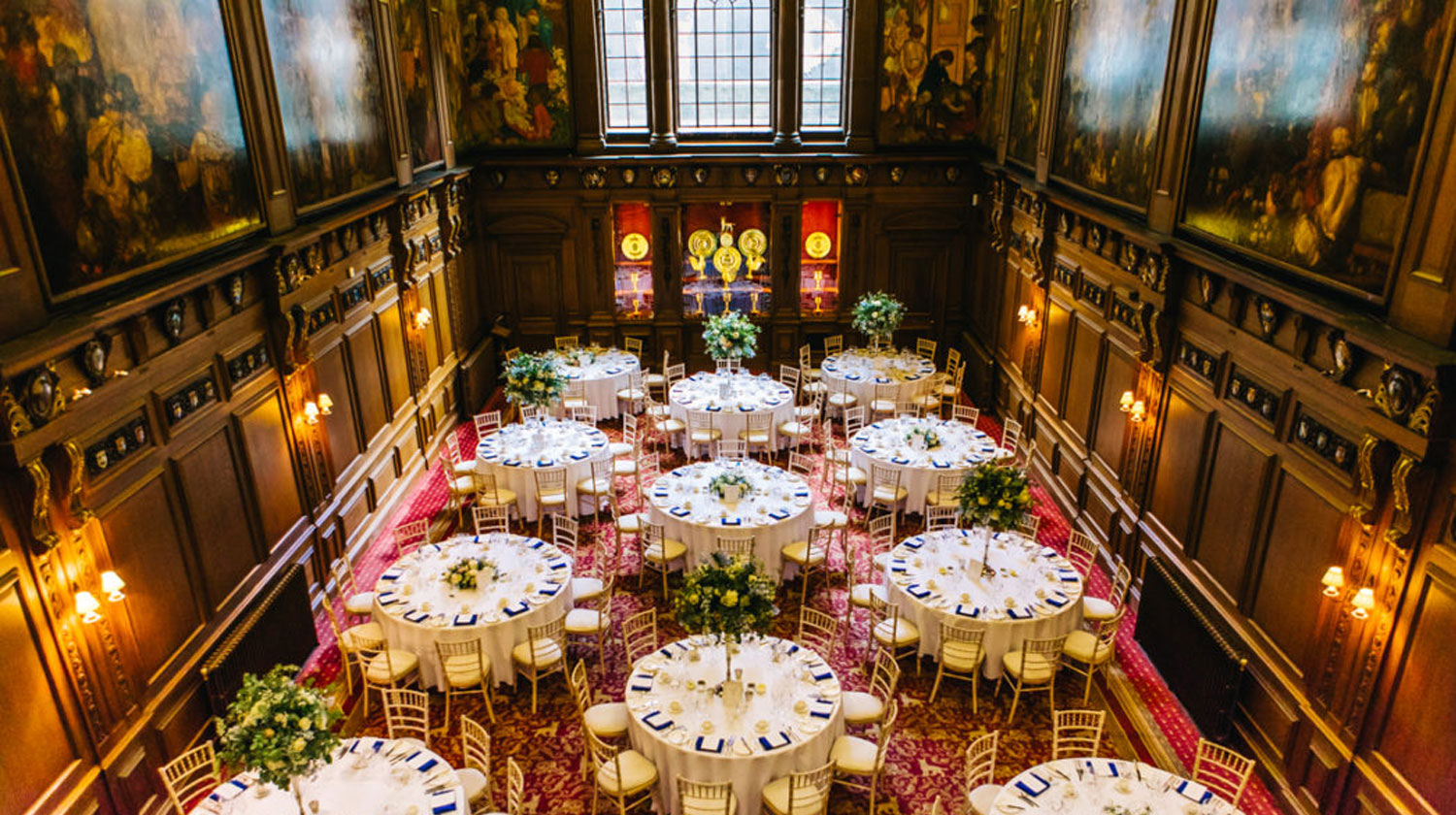
It’s well worth visiting some of the halls even if form the outside whilst inside they are grandly decorated and many with historic items and works of art as well as some beautiful secret gardens. Many of them will be open on Open House weekend. Even at other times, they often have facilities open for hire and if you write to them, frequently offer the chance of a guided tour.
List of Livery Companies by Precedence
- Mercers
2 Grocers
3 Drapers
4 Fishmongers
5 Goldsmiths
6 Merchant Taylors
7 Skinners
8 Haberdashers
9 Salters
10 Ironmongers
11 Vintners
12 Clothworkers
13 Dyers
14 Brewers
15 Leathersellers
16 Pewterers
17 Barbers
18 Cutlers
19 Bakers
20 W ax Chandlers
21 Tallow Chandlers
22 Armourers and Brasiers
23 Girdlers
24 Butchers
25 Saddlers
26 Carpenters
27 Cordwainers
28 Painter-Stainers
29 Curriers
30 Masons
31 Plumbers
32 Innholders
33 Founders
34 Poulters
35 Cooks
36 Coopers
37 Tylers and Bricklayers
38 Bowyers
39 Fletchers
40 Blacksmiths
41 Joiners & Ceilers
42 W eavers
43 W oolmen
44 Scriveners
45 Fruiterers
46 Plaisterers
47 Stationers and Newspaper Makers
48 Broderers
49 Upholders
50 Musicians
51 Turners
52 Basketmakers
53 Glaziers
54 Horners
55 Farriers
56 Paviors
57 Loriners
58 Apothecaries
59 Shipwrights
60 Spectacle Makers
61 Clockmakers
62 Glovers
63 Feltmakers
64 Framework Knitters
65 Needlemakers
66 Gardeners
67 Tin Plate Workers
68 Wheelwrights
69 Distillers
70 Pattenmakers
71 Glass Sellers
72 Coachmakers
73 Gunmakers
74 Gold and Silver Wyre Drawers
75 Makers of Playing Cards
76 Fan Makers
77 Carmen
78 Master Mariners
79 Solicitors
80 Farmers
81 Air Pilots
82 Tobacco Pipe Makers
83 Furniture Makers
84 Scientific Instrument Makers
85 Chartered Surveyors
86 Chartered Accountants
87 Chartered Secretaries
88 Builders Merchants
89 Launderers
90 Marketors
91 Actuaries
92 Insurers
93 Arbitrators
94 Engineers
95 Fuellers
96 Lightmongers
97 Environmental Cleaners
98 Chartered Architects
99 Constructors
100 Information Technologists
101 World Traders
102 Water Conservators
103 Firefighters
104 Hackney Carriage Drivers
105 Management Consultants
106 International Bankers
107 Tax Advisers
108 Security Professionals
109 Educators
110 Arts ScholarsCompanies without livery: Watermen & Lightermen Parish Clerks
Guilds awaiting livery: Public Relations Practitioners EntrepreneursHuman Resources Professionals

 Stephen Liddell
2 comments