The Victorians were both an amazing and slightly weird lot. They pioneered the science and engineering almost everyone in the world takes for granted whilst being extremely strong on morals and keeping ankles covered and where a morbid curiosity about death clashed with the fledging modern medicine.
**It should be noted this post does contain 2 photos of Mummified Ancient Egyptians**
It wasn’t just that people then were less screamish about death and dead bodies, things just weren’t so well known or regulated with body snatchers, resurrectionists and even dodgy funeral directors. https://stephenliddell.co.uk/2018/12/17/dancing-on-the-dead-at-enon-chapel/
To be fair throughout history most civilisations haven’t had much respect for every day dead people of their own time, let alone those of their enemies or ancestors. So modern day sensibilities shouldn’t be too surprised that people of millennia ago didn’t really matter at all particularly if from a foreign country.
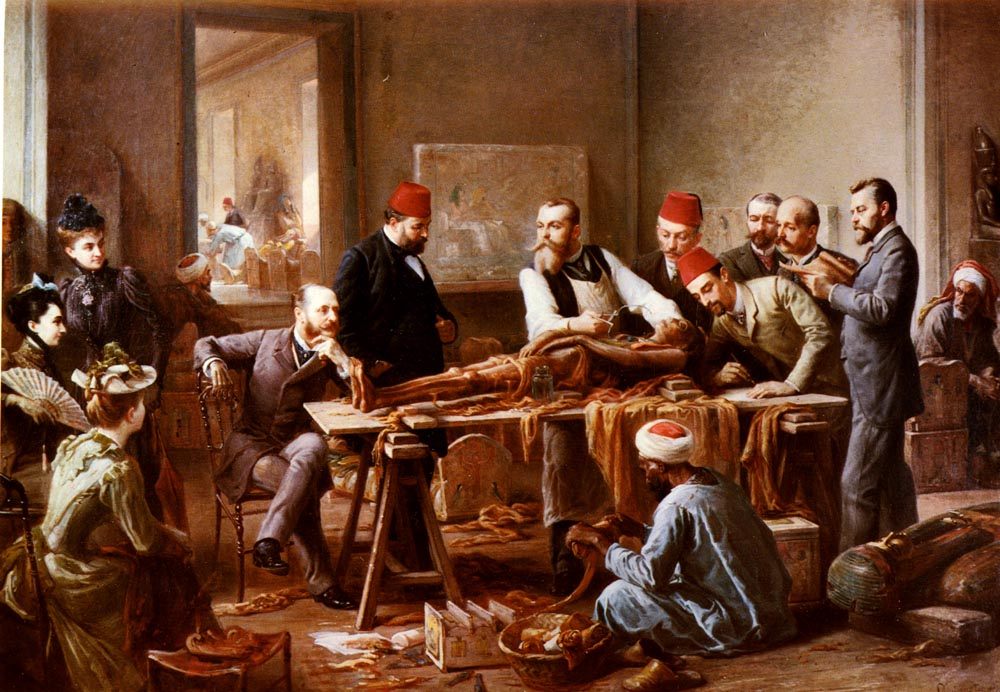
During the Victorian era of the 1800s, Napoleon’s conquest of Egypt threw open the Gates of Egypt’s history for the Europeans. At that time, mummies were not accorded the respect that they deserved from the European elites and in fact, mummies could be purchased from street vendors to be used as the main event for parties and social gatherings that took place in the 19th century.
“Mummy Unwrapping Parties”, which, as the name suggests, had the main theme in which a Mummy would be unwrapped in front of a boisterous audience, cheering and applauding at the same time.
During that period of time, the well-preserved remains of ancient Egyptians were routinely ground into a powder and consumed as a medicinal remedy. Indeed, so popular was pulverized mummy that it even instigated a counterfeit trade to meet demand, in which the flesh of beggars was passed off as that of ancient mummified Egyptians.
As the Industrial Revolution progressed, so Egyptian mummies were exploited for more utilitarian purposes: huge numbers of human and animal mummies were ground up and shipped to Britain and Germany for use as fertiliser. To be fair, similar things happened to the countless thousands of bodies after the Battle of Waterloo and if late 19th century people didn’t care about people from 50 years earlier, it’s unlikely they’d give much thought to those of ancient Egypt.
Others were used to create mummy brown pigment or were stripped of their wrappings, which were subsequently exported to the US for use in the paper-making industry. The author Mark Twain even reported that mummies were burnt in Egypt as locomotive fuel.
As the nineteenth century advanced, mummies became prized objects of display, and scores of them were purchased by wealthy European and American private collectors as tourist souvenirs. For those who could not afford a whole mummy, disarticulated remains – such as a head, hand, or foot – could be purchased on the black market and smuggled back home.
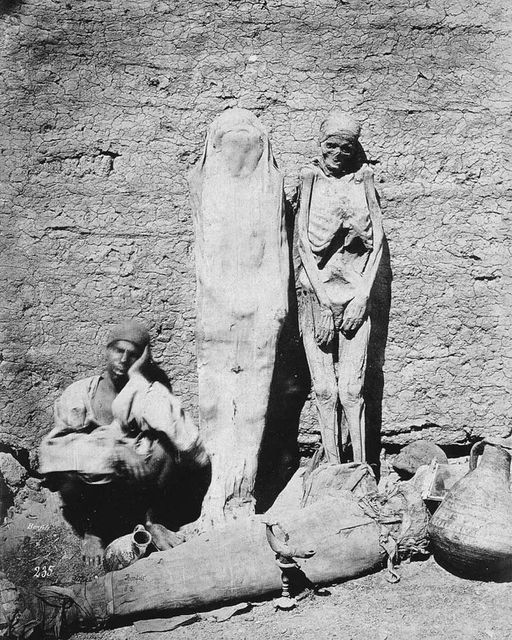
Above you have an Egyptian street seller from 1865, not wholly unlike what you might find today except instead of selling tacky tourist tat or perhaps illegal antiques, here he is openly selling ancient Egyptian Mummies so the disrespect is definitely not just a Western thing.
If you wanted to have a great night out in old London town in the 1830’s then you’d have to try hard to beat Thomas Pettigew and his sold out gala on 15th January, 1834.
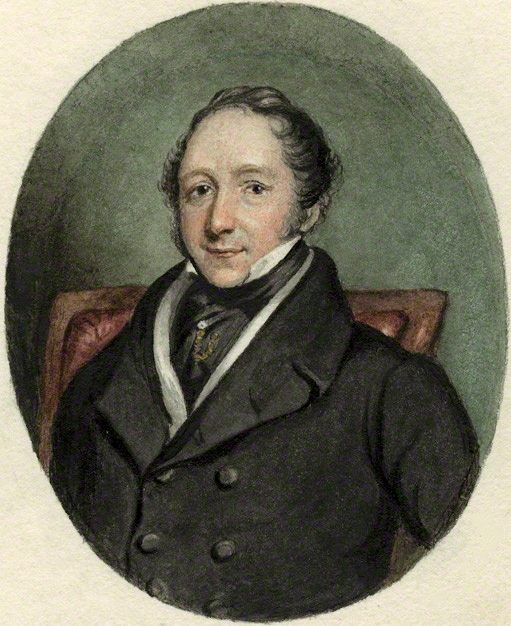
The lucky Londoners who had managed to acquire a ticket for the Royal College of Surgeons that night, were looking forward to what was then a rare treat. Live before their very eyes they could witness one of the foremost doctors and scientists of the day slowly unwrap an authentic Egyptian mummy of the 21st dynasty. Yes it’s entertaining but it’s also science. A bit like all those awful Discovery Channels since they went downmarket. Why is there no history on the History Channel?
Europeans had been buying mummies since Shakespeare’s times to use them as medicine, pigment or even charms. But if Napoleon had re-awakened interest in Mummys, once us British had evicted Napoleonic France from Egypt then things went to another level altogether
French aristocrat and Trappist monk Abbot Ferdinand de Géramb wrote to Pasha Mohammed Ali in 1833, “it would be hardly respectable, on one’s return from Egypt, to present oneself without a mummy in one hand and a crocodile in the other.”
Demand was so high that the fledgling tourist industry in Egypt transported mummies from the least visited places of the country to place in their more popular ruins, in order to satisfy foreign visitors.
Thomas Pettigrew was uniquely qualified to take this love affair with Egypt’s dead to the next level. A highly respected surgeon now focusing on his antiquarian interests, Pettigrew had just published his very well-received History of Egyptian Mummies (1834). As a friend to many artists and authors–including Charles Dickens–he also knew how to spin scientific theory into fascinating spectacle. While he was not the first to unwrap a mummy in front of an audience, he was the one to turn the procedure into a performance.
The recipe was guaranteed to succeed: mixing Egypt, science and the macabre proved irresistible to the Victorians. The same people who thought it vulgar to take off their gloves in mixed company, delighted in having a millennia old corpse divested of its wrappings in front of them.
Even though not every unrolling went according to plan–at one point the bandages had fused with the body, at another a mummy was found to have a head filled with sand and there is even a tale of a princess who turned out to be a man–his fame grew and he was the founding treasurer of the British Archaeological Society.
The Duke of Hamilton was so appreciative of his work, that he engaged him to mummify his own corpse after his death. Pettigrew obliged him, and in 1852 the Duke was interred in the sarcophagus of a nameless Princess which he had acquired years earlier in France, supposedly with the intention of donating it to the British Museum.
Eventually, mummy unrollings fell out of favor with the scientific community as the idea of preserving ancient cultures rose in popularity.
I must say I did pay a little bit extra 20 years ago when in the Cairo Museum to see who was once the most powerful man on the planet, the Pharaoh Ramses II.
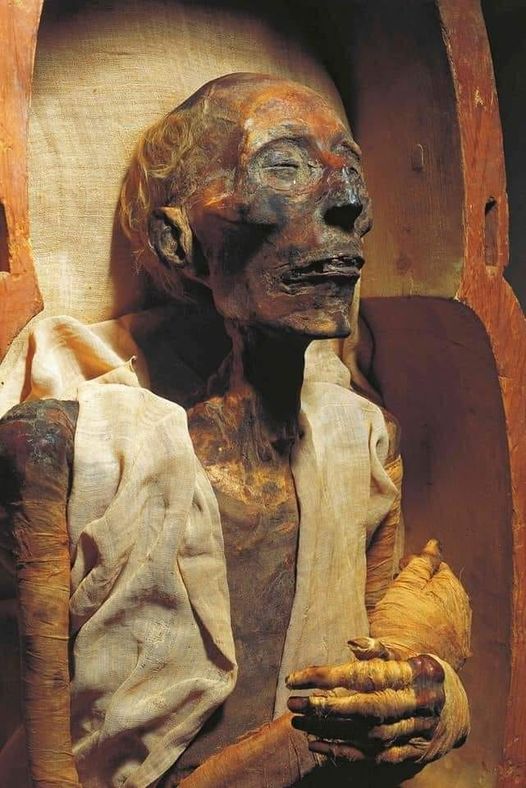
There aren’t many people you can meet from The Holy Bible, let alone knew Moses and ‘fought’ God.
Though some of the mummy unwrapping parties did treat the bodies with some level of respect it is hard to imagine anything similar today but then is it really much different than taking a photo like this?
For me it wasn’t an ‘entertaining’ thing at all, just wonder, astonishment and a little learning which is likely why he is on display in the first place. But it’s not hard to imagine people in another 100 years thinking this to be a vulgar practice.
For whatever reasons he and thousands of others are on display, it is down to people like Thomas Pettigew and that long dead Egyptian street seller.

 Stephen Liddell
Wow!! Interesting story, but I would never want to go to see an unwrapping!!! Marilyn
<
div>
Sent from my iPhone
<
div dir=”ltr”>
<
blockquote type=”cite”>
LikeLiked by 1 person
fascinating as always. Aiden will be getting this as part of his history lesson.
LikeLike
Sad, but all true!!! How are you? Miss getting together for lunch with you!! I
LikeLike