The Victoria and Albert Museum in London is the world’s largest museum of applied arts, decorative arts, and design, housing a permanent collection of over 2.27 million objects. It was founded in 1852 and named after Queen Victoria and Prince Albert and in addition to its regular objects, often plays hosts to astounding collections from around the world.
Iran has long been the country I most want to visit but many people today know nothing of the country beyond its present day government and yet Iran or Persia as many used to know of it has one of the greatest histories and richest cultures on the planet; I’d actually say the number one but that’s just me.
Two or three years ago I visited the special exhibition at the British Library on the mostly forgotten but again my favourite period of British history at The Anglo-Saxon exhibition at the British Library so I was thrilled when I managed to wangle a ticket to Epic Iran which has already been open for months and continues to September.
I asked at the front desk where the exhibition was situated in this gargantuan museum and was told to turn left at Buddhism and I immediately felt at home, like when I studied Africian and Asian history and politics at SOAS. Where else can you get directions that say to turn left at Buddhism?
I’ve written a few posts about Iran such as last years The Fire Temple of Chak Chak that weeps for its princess and There’s something about Persian door-knockers! and it was so nice to see objects I largely knew all about in real life as everyone else spent more time reading the wonderful informative texts and piecing things together, for me I just knew what they were and their significance and so spent 2 hours or more just marvelling at monuments and works of art and having done so it in no-way made me change my mind of where I most want to visit!
I took photos of nearly everything but here are just a few things that made my day.
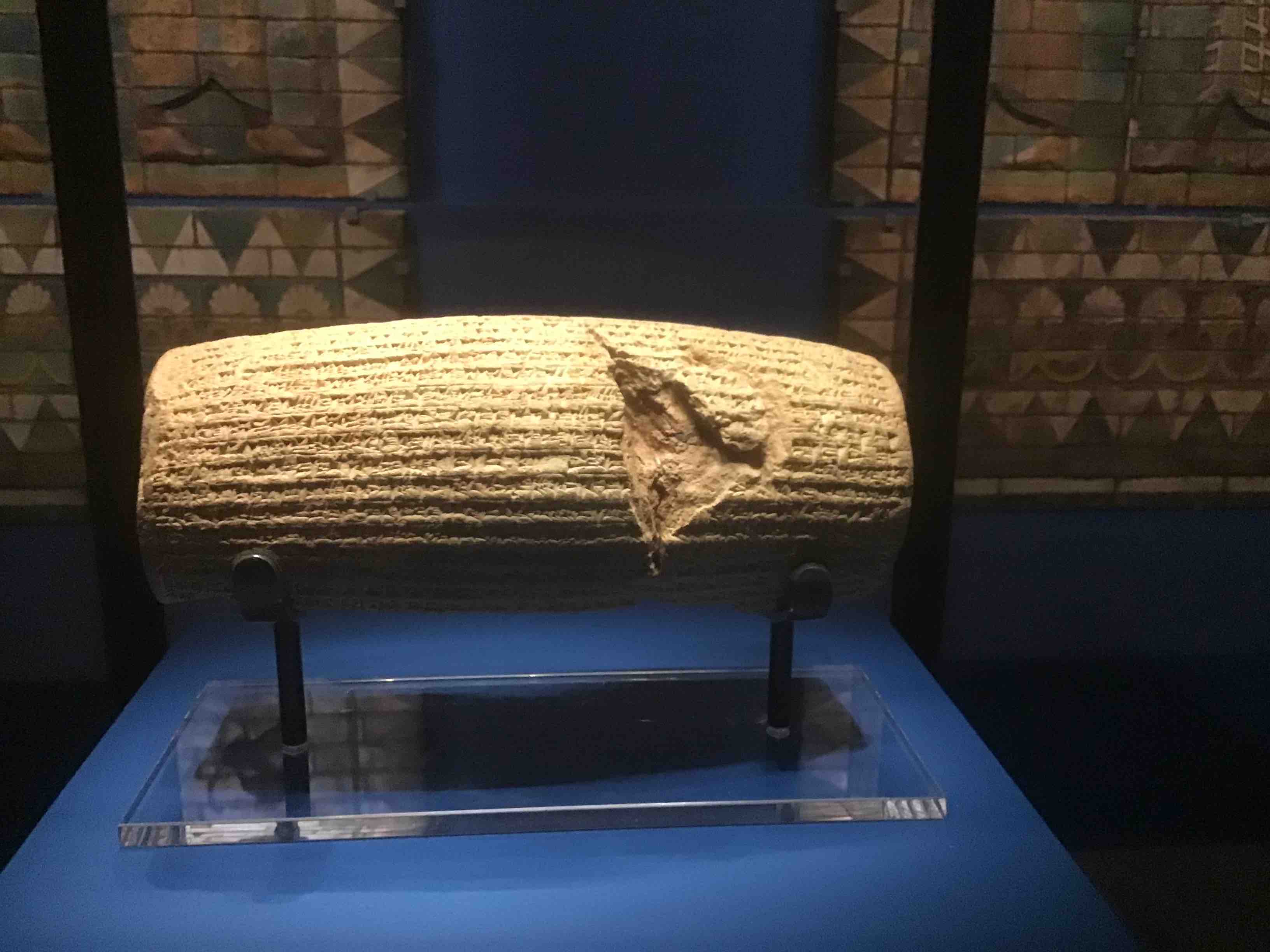
The Cyrus Cylinder is something I’d seen before at the British Museum and is a Babylonian account of the conquest of Babylon by Cyrus in 539 BC, of his restoration to various temples of statues removed by Nabonidus, the previous king of Babylon, and of his own work at Babylon. The cylindrical form is typical of royal inscriptions of the Late Babylonian period, and the text shows that the cylinder was written to be buried in the foundations of the city wall of Babylon. It was deposited there after the capture of the city by Cyrus in 539 BC, and presumably written on his orders and then discovered in 1879 AD. Far from the oldest object but one I always enjoy studying.
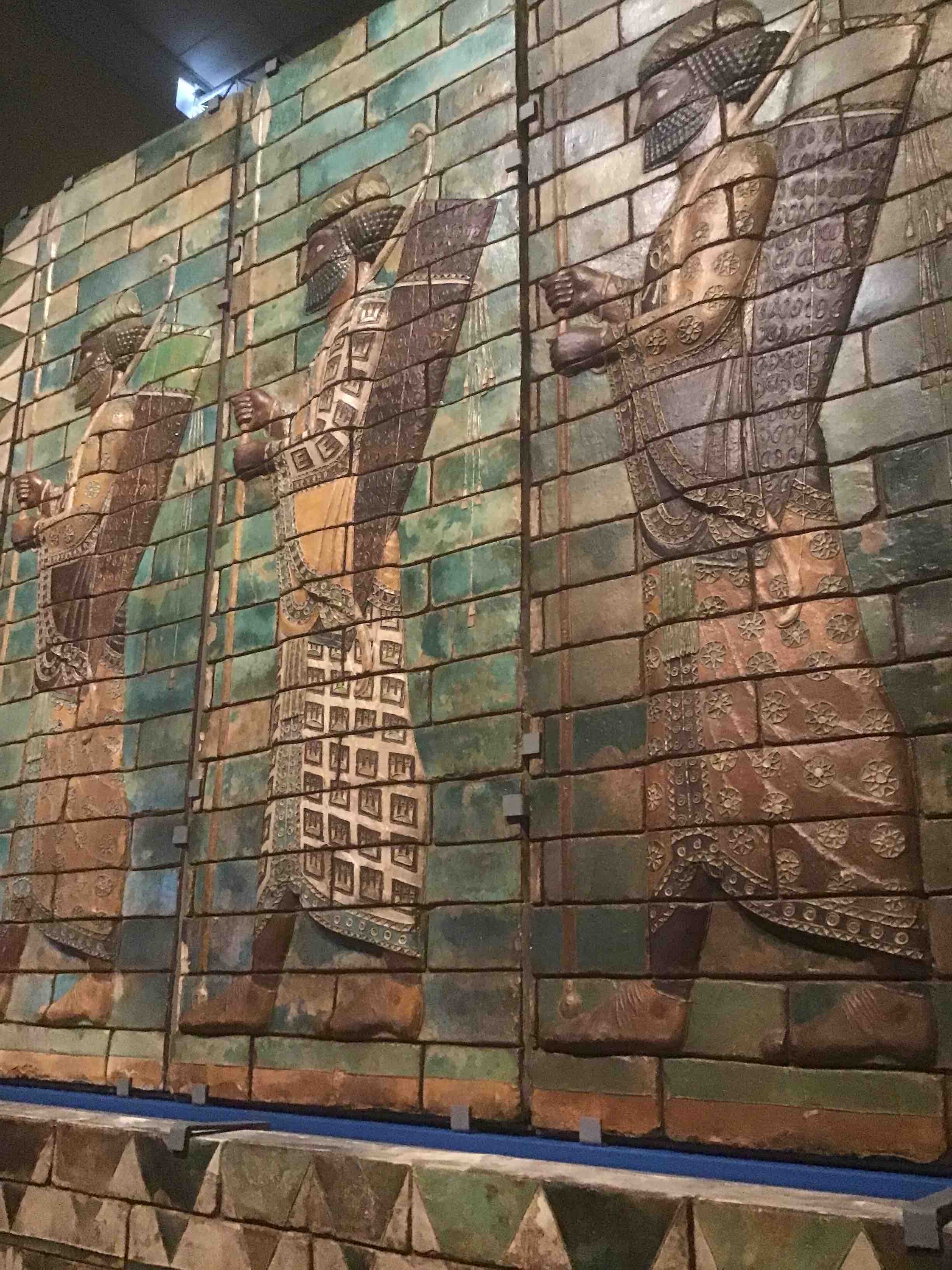
The Immortals also known as the Persian Immortals was the name given by Herodotus to an elite heavily-armed infantry unit of 10,000 soldiers in the army of the Achaemenid Empire. This force performed the dual roles of both Imperial Guard and standing army and was founded by the legendary Cyrus The Great.
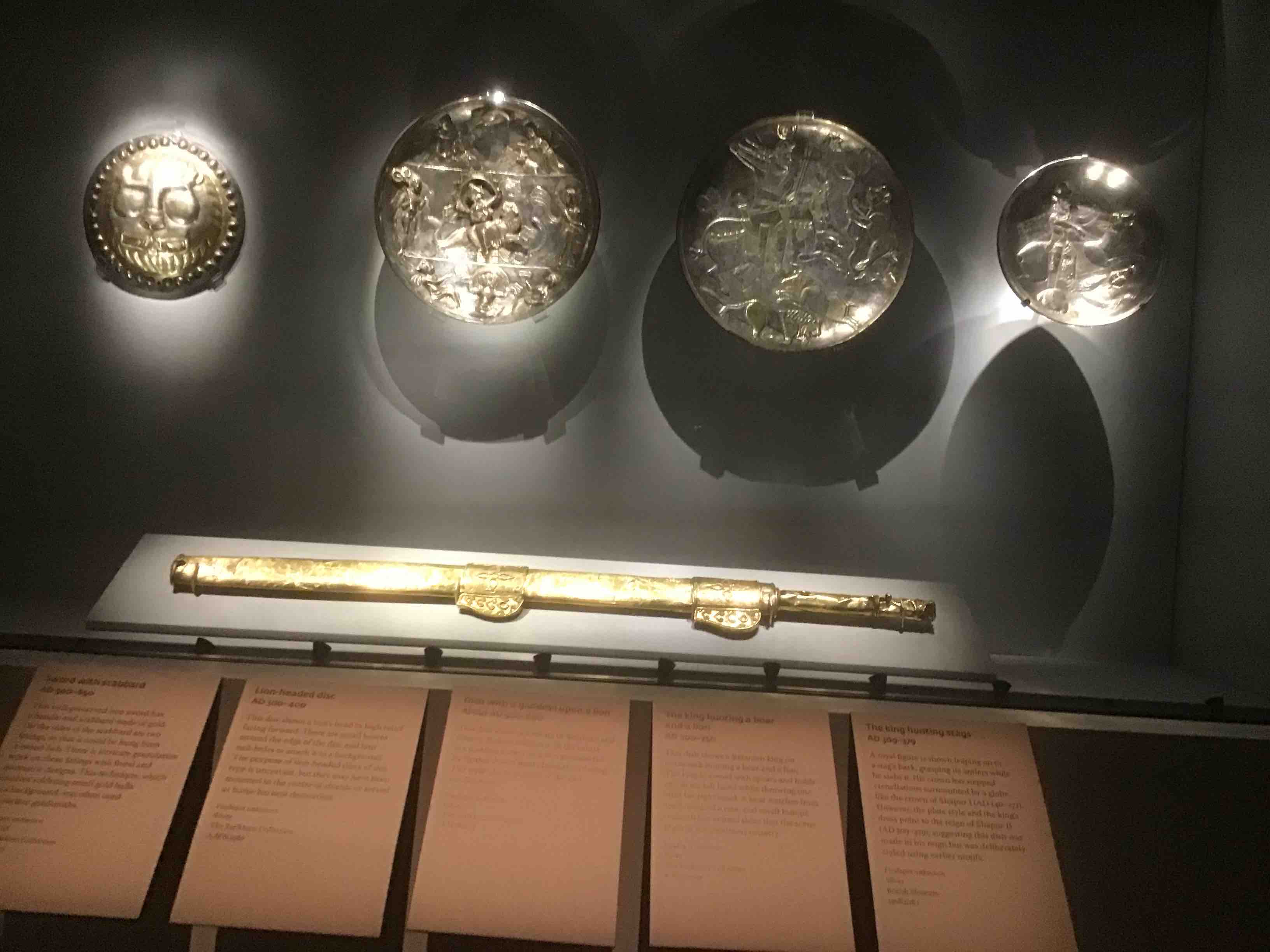
If I remember the photo above shows equipment from the Sassanian Empire making them almost 2,000 years old.

This armour is of a much later period and is likely ceremonial from the 18th or 19th century but harkens back to equipment of just a few centuries earlier.
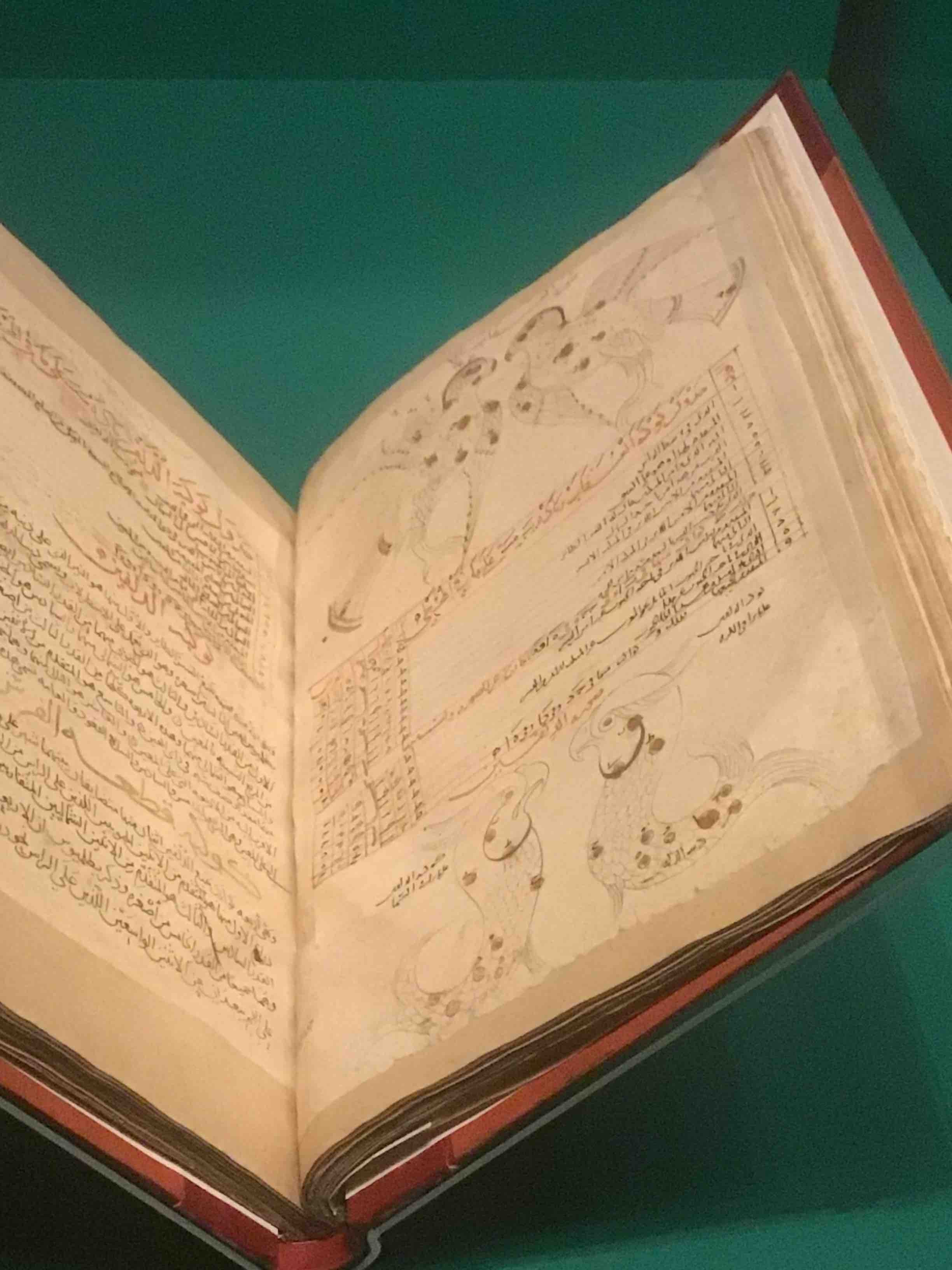
As with many other fields of science, various dynasties in Iran both safeguarded existing knowledge and pushed forwards the realm of science, maths and medicine. Here is an ancient book of stars showing contemporary constellations.
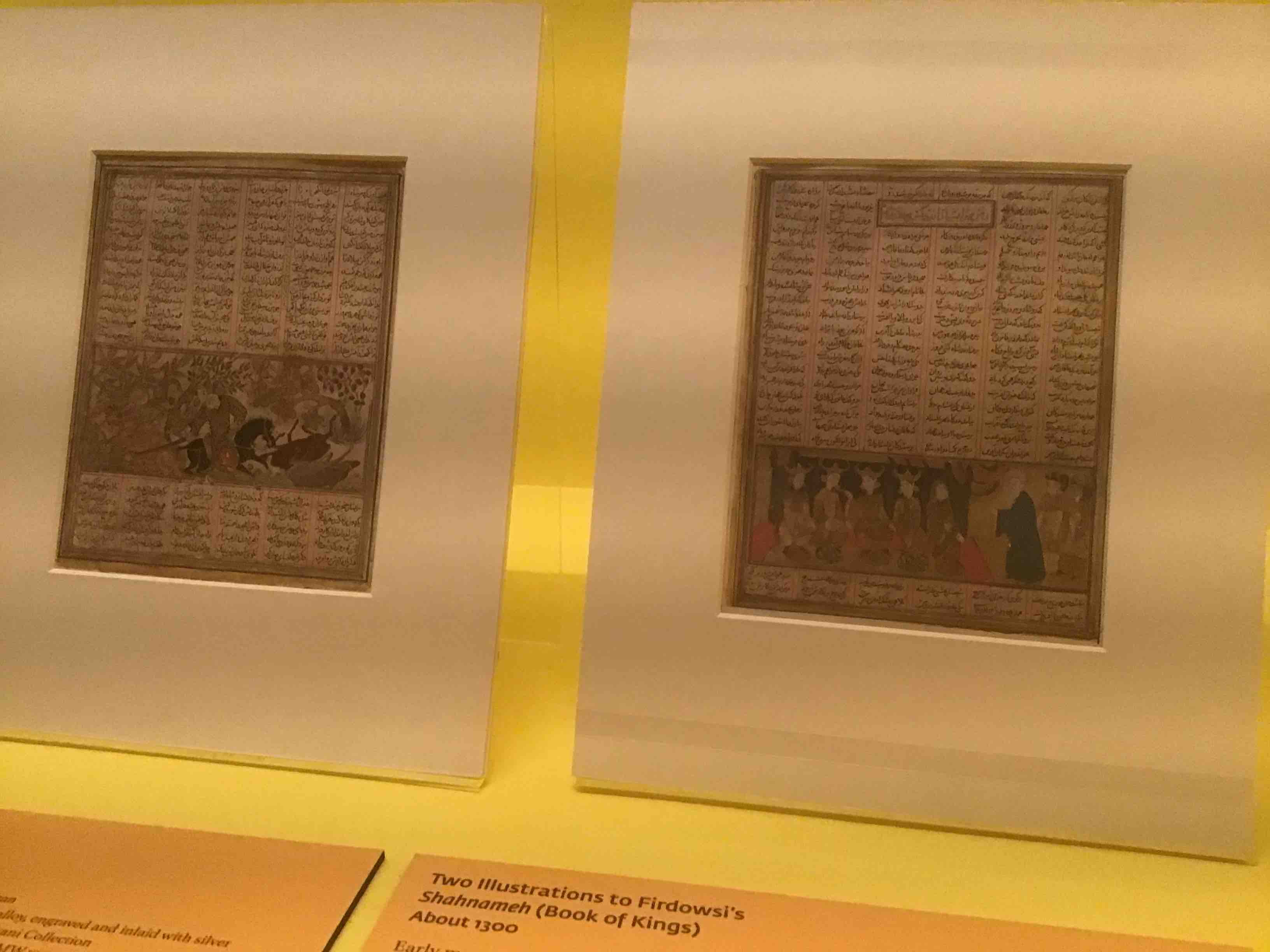
Whilst many know of Persian carpets, less known in the western world is the fantastic wealth of poetry and literature in Iranian culture. None more so than the legendary classic by Ferdowsi the Shahnameh or The Epic of Kings which both draws on ancient myths and legends before becoming a legitimate source of history and daring-do’s. Originally published in 1010AD it played a vitally important part in safeguarding Iranian culture at a time that the country had been under effectively foreign Arab rule and becoming increasingly Islamic as traditional faiths were becoming marginalised. Nevertheless it gave the springboard for later dynasties to again make Iran a great power with its own distinct civilisation though still very Islamic in nature.
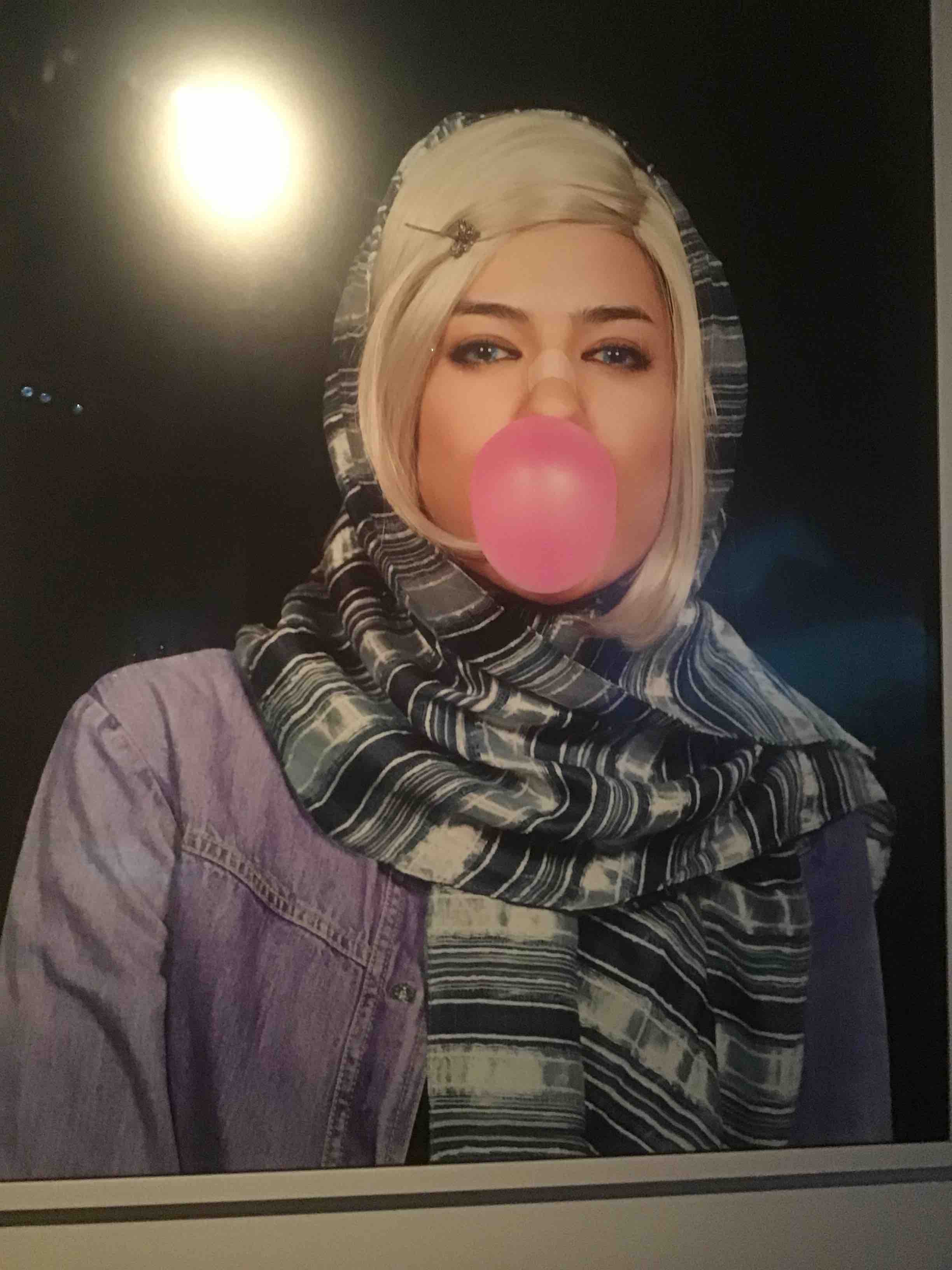
I’m not really into modern art, well not at all to be honest so anything 20th century and beyond isn’t really my thing but this piece from 2008 caught my eye, illustrating the huge numbers of young Iranians who are pushing the rules to the limits as they want to enjoy the freedoms that so many of the rest of us enjoy.

 Stephen Liddell
This amazing country doesn’t deserved the ghastly government it has. I visited Iran some years ago and was bowled over. (Saw Persepolis among other places).
LikeLiked by 1 person
Yes if things were slightly different it would be visited as much if not more than most great civilisations. I’ve been waiting to go since 1993, my only hindrance is that I hate flying so much… I can live with the other issues as I know 99.9% of the people are kind and decent. Also some of the places I want to visit are niche to say the least 🙂 and I know within reason I’d have to be accompanied to places or reporting to local police stations to make sure I can visit such and such a ruin, castle, mosque etc. I don’t want to be in luxury but to be squashed in with local people on shared taxis and buses and wondering around village maidens doing my own stuff.
LikeLike